AFCAT Eligibility Criteria 2026: Age, Qualification, Physical & Medical Standards
Complete branch-wise eligibility guide for AFCAT 2 2026 — who can apply, age limits, educational qualifications, physical standards, and medical requirements for Flying, GD Technical, and GD Non-Technical branches.
- AFCAT 2026 Eligibility — Quick Overview
- Age Limit & Relaxation Rules
- Educational Qualification by Branch
- Branch-wise Eligibility at a Glance
- Physical Standards: Height, Weight, Vision
- Medical Standards (AFCAT 2026)
- Nationality & Marital Status Rules
- Female Candidate Eligibility
- Common Reasons for Disqualification
- Frequently Asked Questions
AFCAT 2026 Eligibility — Quick Overview
AFCAT (Air Force Common Admission Test) is conducted by the Indian Air Force twice a year to recruit officers into the Flying Branch, Ground Duty Technical, and Ground Duty Non-Technical branches. Before you invest months preparing, confirm you meet every eligibility condition — a single disqualification at the document verification stage can end the process regardless of your AFCAT score.
📌 AFCAT 2 2026 — Key Eligibility Snapshot
Age: 20–26 years (for most branches) as on 01 Jan 2027 | Qualification: Graduation minimum | Gender: Male and Female both eligible | Nationality: Indian citizen | Marital Status: Unmarried at the time of joining (for Flying Branch) | Official notification: afcat.cdac.in
Age Limit & Relaxation Rules
The age is calculated as of 01 January of the year following the intake. For AFCAT 2 2026 (intake 2027), the relevant date is 01 January 2027.
| Branch | Minimum Age | Maximum Age | Notes |
|---|---|---|---|
| Flying Branch | 20 years | 24 years | Lower upper limit than GD branches. NCC Special Entry candidates get relaxation up to 26 years. |
| GD Technical (Engineering) | 20 years | 26 years | Standard upper limit. No relaxation for SC/ST in officer cadre. |
| GD Non-Technical | 20 years | 26 years | Standard upper limit. |
| NCC Special Entry | 20 years | 26 years | Available for Flying Branch candidates with NCC ‘C’ Certificate (Air Wing, Senior Division). |
⚠️ Age Relaxation: What AFCAT Does NOT Offer
Unlike many other government exams, AFCAT does not offer SC/ST or OBC age relaxation for officer cadre recruitment. The age limits above are uniform across all categories. The only relaxation is for NCC Special Entry (Flying Branch) and for widows of defence personnel in specific administrative categories — verify the current notification at afcat.cdac.in for any updates.
Educational Qualification by Branch
Educational qualification requirements differ significantly between branches. Engineering graduates have more options; non-technical graduates can apply for GD Non-Technical and (if they have the right stream) for Flying Branch.
| Branch | Minimum Qualification | Required Stream / Marks | EKT? |
|---|---|---|---|
| Flying Branch | Graduation (any stream) | 10+2 with Physics & Mathematics is mandatory (even if your degree is in another field). Minimum 60% in 10+2 and graduation both. | No |
| GD Technical (Mechanical) | B.E./B.Tech | Mechanical / Industrial / Aeronautical / Aerospace / Metallurgy / Production Engineering — minimum 60% aggregate. | Yes |
| GD Technical (Electronics) | B.E./B.Tech | Electronics / Telecom / Electrical / Instrumentation / Computer Science / IT — minimum 60% aggregate. | Yes |
| GD Technical (Civil) | B.E./B.Tech | Civil Engineering — minimum 60% aggregate. | Yes |
| GD Non-Technical (Admin) | Any graduation | Minimum 60% in graduation. No specific stream requirement for Administration branch. | No |
| GD Non-Technical (Accounts) | Any graduation | Minimum 60% in graduation. B.Com preferred but not mandatory. | No |
| GD Non-Technical (Logistics) | Any graduation | Minimum 60% in graduation. | No |
| GD Non-Technical (Education) | Post-graduation | M.A. / M.Sc. / M.Com with minimum 50% in graduation AND post-graduation. Specific subject requirements by specialisation. | No |
| GD Non-Technical (Meteorology) | Post-graduation | M.Sc. in Physics / Meteorology / Applied Physics / Applied Mathematics with minimum 50%. | No |
💡 NCA Insight: The 60% Rule Applies to Both 10+2 AND Graduation
Many aspirants miss the detail that for Flying Branch, 60% is required at both 10+2 level (specifically in Physics and Mathematics) AND graduation level. Scoring 65% in engineering but having 58% in 10+2 Physics/Maths disqualifies you from the Flying Branch regardless of your AFCAT score. Always verify both boards.
Branch-wise Eligibility at a Glance
Flying Branch
Age: 20–24 years | 10+2 with Phy+Math (60%) | Graduation (60%) | Unmarried | CPSS/PABT required | Vision: 6/6 correctable
GD Technical
Age: 20–26 years | B.E./B.Tech in relevant engineering stream (60%) | EKT compulsory | Vision relaxed vs Flying
GD Non-Technical
Age: 20–26 years | Any graduation (60%) | No EKT | Most accessible branch for non-engineering graduates
Education/Meteorology
Age: 20–26 years | Post-graduation required (specific subjects) | 50% minimum at both PG and graduation level
Physical Standards: Height, Weight, Vision
Physical standards are evaluated during the AFSB (Air Force Selection Board) stage, not at the written exam level. However, candidates who do not meet minimum physical standards cannot be recommended regardless of AFCAT and AFSB scores.
| Standard | Flying Branch (Male) | Flying Branch (Female) | GD (Male) | GD (Female) |
|---|---|---|---|---|
| Minimum Height | 162.5 cm | 152 cm | 157 cm | 152 cm |
| Leg Length | 99–120 cm | No fixed requirement | — | — |
| Thigh Length | Max 64 cm | No fixed requirement | — | — |
| Sitting Height | 81.5–96 cm | No fixed requirement | — | — |
| Weight | Proportionate to height (BMI 18–25) | Proportionate | Proportionate | Proportionate |
| Distant Vision | 6/6 in better eye, 6/9 in worse (correctable) | 6/6 correctable | 6/6 correctable | 6/6 correctable |
| Near Vision | N-5 in better eye, N-10 in worse | N-5 | N-6 | N-6 |
🚨 Flying Branch: Leg Length and Sitting Height Are Hard Limits
The leg length (99–120 cm) and sitting height (81.5–96 cm) requirements for the Flying Branch exist for cockpit safety — candidates outside this range cannot be accommodated in aircraft ejection systems. These cannot be waived or relaxed under any circumstances. Measure accurately before planning a Flying Branch application.
Medical Standards (AFCAT 2026)
Medical fitness is assessed at AFSB during a medical examination by IAF medical officers. The standards vary significantly between Flying Branch and Ground Duty branches.
| Medical Criterion | Flying Branch | GD Technical / Non-Technical |
|---|---|---|
| Visual Acuity | Stricter — corrected vision acceptable, but high myopia/hyperopia limits apply. LASIK acceptance subject to conditions (minimum 12 months post-surgery, stable prescription). | More relaxed — corrected vision to 6/6 acceptable with spectacles/contact lenses. |
| Colour Vision | CP-I (normal) for pilots. No colour blindness of any grade. | CP-III acceptable for GD branches (mild colour deficiency permitted). |
| ENT | No perforated eardrum, no chronic sinusitis, no significant hearing impairment. | Same general standards, slightly relaxed for non-flying roles. |
| Orthopaedic | No flat feet, no significant joint issues, no previous fractures with residual deformity. | Similar, with slightly more tolerance for minor conditions. |
| Dental | Minimum 14 teeth (upper jaw 6 functional). No severe malocclusion affecting flying equipment. | Standard dental health — functional dentition required. |
| Tattoos | Not permissible on face, neck, or hands. Small tattoos on body allowed subject to assessment. | Same policy. |
💡 LASIK Eye Surgery & Flying Branch — NCA’s Guidance
LASIK surgery is now permitted for Flying Branch provided: (1) minimum 12 months have passed since surgery, (2) no residual complications, (3) prescription was stable for 12 months before surgery, and (4) visual acuity meets standards post-correction. Candidates who had LASIK should get a letter from their eye specialist confirming stability before applying. Verify the latest LASIK policy in the current AFCAT 2 2026 notification on afcat.cdac.in.
Nationality & Marital Status Rules
AFCAT is open to Indian citizens only. The following nationalities are specifically excluded: Pakistani nationals, Bangladeshi nationals, and nationals of countries with which India does not have reciprocal arrangements. Citizens of Nepal and Bhutan may apply in certain administrative categories — verify the current notification.
Marital Status: For the Flying Branch, candidates must be unmarried at the time of joining (not at the time of application). Ground Duty (Technical and Non-Technical) branches do not have this restriction — married candidates are eligible. Widows/divorced persons: check the specific AFCAT 2 2026 notification for current policy.
Female Candidate Eligibility
Female candidates are fully eligible for AFCAT 2026 across all three branches — Flying, GD Technical, and GD Non-Technical. The IAF opened permanent commission for women officers, and female candidates now serve in all ground duty branches and as pilots (Short Service Commission).
| Branch | Female Eligible? | Commission Type | Notes |
|---|---|---|---|
| Flying Branch | Yes | Short Service Commission | Female pilots in IAF since 2016. SSC only — no permanent commission at present. |
| GD Technical | Yes | Permanent Commission | All engineering sub-branches open. EKT mandatory. |
| GD Non-Technical (Admin) | Yes | Permanent Commission | All administrative sub-branches open. |
| GD Non-Technical (Education) | Yes | Permanent Commission | Subject to PG qualification requirements. |
Common Reasons for Disqualification at AFSB
Based on NCA Academy’s experience with candidates across 30+ AFCAT cycles, these are the most common eligibility-related disqualifications at the AFSB documentation stage:
- 10+2 marks below 60% in Physics or Mathematics (for Flying Branch applicants)
- Graduation aggregate below 60% (for all branches)
- Age calculation error — being overage by even 1 day disqualifies
- LASIK surgery less than 12 months before AFSB date
- Leg length outside 99–120 cm range (Flying Branch)
- Colour vision deficiency beyond CP-I (Flying Branch — no relaxation)
- Tattoos on face, neck, or hands (any branch)
- Already married (Flying Branch only — at the time of joining, not application)
- Engineering stream not matching the GD Technical sub-branch applied for
⚠️ Always Cross-Check the Official Notification
Eligibility criteria can change slightly between AFCAT cycles. This guide reflects standards from AFCAT 2 2026 — always cross-check the specific notification at afcat.cdac.in before submitting your application. NCA Academy updates this guide after every official notification.
Frequently Asked Questions — AFCAT Eligibility 2026
✅ You’re Eligible — Now Let NCA Build Your AFCAT 2026 Plan
Once you’ve confirmed eligibility, the next step is a structured preparation plan. NCA Academy has guided 5,000+ candidates through AFCAT with ex-IAF faculty, 15 full mock tests, and personalised coaching. We confirm your eligibility on Day 1.
Explore AFCAT Coaching → 💬 WhatsApp for Eligibility Check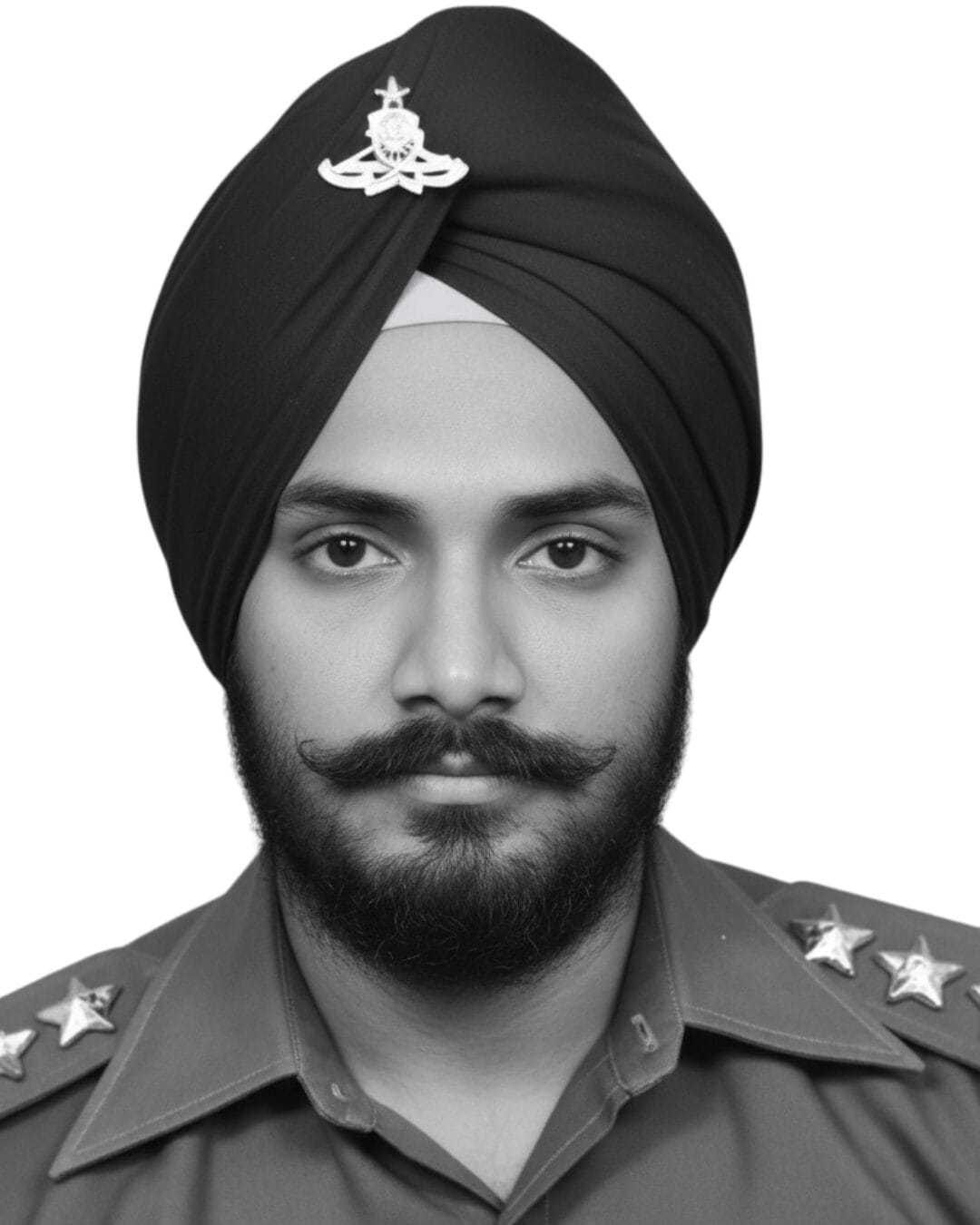
Written by
Capt. Dhaliwal · Director, New Careers Academy
Ex-Indian Army officer and SSB mentor at NCA Academy, Chandigarh (est. 1967), coaching NDA, CDS, AFCAT and SSB aspirants since the 1980s. About the author →
Reviewed by Hartaj Dhaliwal — SSB Strategist, NCA · third-generation officer · recommended by the SSB three times.