AFCAT GD Technical vs GD Non-Technical 2026: Which Branch Should You Choose?
A complete comparison of AFCAT’s Ground Duty Technical and Non-Technical branches — eligibility, EKT requirement, roles, salary, career scope, posting types, and which profile suits which candidate in 2026.
- GD Technical vs Non-Technical — The Core Difference
- Eligibility Comparison
- The EKT Factor: What GD Technical Candidates Must Know
- Roles & Responsibilities by Branch
- Sub-branch Breakdown
- Salary & Allowances Comparison
- Career Progression & Permanent Commission
- Which Branch Is Right for You?
- Frequently Asked Questions
GD Technical vs Non-Technical — The Core Difference
Both GD Technical (GDT) and GD Non-Technical (GDNT) are Ground Duty branches — meaning you will not fly aircraft as part of your role (unlike the Flying Branch). The fundamental difference is what you do on the ground: GD Technical officers manage and maintain the IAF’s aircraft, weapon systems, radars, and infrastructure; GD Non-Technical officers handle the administration, logistics, accounts, education, and meteorology functions that keep the IAF running.
⚙️ GD Technical
- Manage aircraft maintenance
- Weapon system engineering
- Radar & avionics oversight
- Infrastructure & civil works
- Requires engineering degree
- EKT (engineering test) mandatory
- Higher technical responsibility
📋 GD Non-Technical
- Personnel & HR management
- Accounts & finance
- Logistics & supply chain
- Education & training
- Meteorological services
- Any graduation eligible
- No EKT required
Eligibility Comparison
| Criterion | GD Technical | GD Non-Technical |
|---|---|---|
| Age | 20–26 years as on 01 Jan 2027 | 20–26 years as on 01 Jan 2027 |
| Qualification | B.E./B.Tech in relevant engineering stream (60%) | Any bachelor’s degree (60%) | PG for Education/Meteorology |
| Acceptable Streams | Mechanical, Electronics, Electrical, CS/IT, Civil, Aeronautical, Telecom, Instrumentation | Any stream for Admin/Accounts/Logistics; specific PG for Education/Meteorology |
| 10+2 Requirement | No specific 10+2 subject requirement (graduation stream matters) | No specific 10+2 requirement |
| EKT | Required — additional 45-min paper on engineering subjects | Not Required |
| AFCAT Paper | Same AFCAT paper as all branches | Same AFCAT paper as all branches |
The EKT Factor: What GD Technical Candidates Must Know
The Engineering Knowledge Test (EKT) is an additional 45-minute paper taken alongside AFCAT by GD Technical candidates. It tests engineering fundamentals specific to your specialisation stream. Scoring well on EKT is critical — it directly affects your GDT merit ranking.
| EKT Aspect | Details |
|---|---|
| Duration | 45 minutes (separate from the 120-minute AFCAT paper) |
| Questions | 50 questions, 150 marks |
| Negative Marking | -1 for every wrong answer (same as AFCAT) |
| Streams Covered | Mechanical, Electronics & Communication, Computer Science, Electrical & Instrumentation, Civil |
| Syllabus Level | B.E./B.Tech level — first 3 years core subjects. Not JEE level. Conceptual clarity over advanced derivations. |
| How It Affects Merit | EKT scores are combined with AFCAT scores for GDT merit list. A strong EKT score can compensate for a borderline AFCAT score. |
💡 EKT Tip from NCA Academy
The EKT is not as difficult as final-year engineering exams — it tests whether you understood your core 3-year curriculum, not whether you can solve advanced research problems. Most candidates who score well in EKT say the test rewarded clear conceptual understanding over formula memorisation. Dedicate 20–30 minutes daily to EKT revision of your stream’s core subjects in the final 6 weeks of preparation. Full EKT guide: AFCAT EKT 2026 Complete Guide →
Roles & Responsibilities by Branch
| Branch | Core Responsibilities | Day-to-Day Work |
|---|---|---|
| GD Technical (Mechanical) | Airframe and engine maintenance of IAF aircraft, quality control, accident investigation | Overseeing maintenance crews, pre-flight checks, serviceability reporting |
| GD Technical (Electronics) | Avionics, radar systems, communication equipment, weapon system electronics | Mission system checks, equipment calibration, technical team leadership |
| GD Technical (Civil) | Airfield infrastructure, runway maintenance, construction projects, base facilities | Project management, contractor oversight, infrastructure readiness |
| GD Non-Technical (Admin) | Personnel management, welfare, discipline, postings and transfers | HR functions, documentation, officer management, policy implementation |
| GD Non-Technical (Accounts) | Financial management, audit, salary processing, procurement finance | Budget preparation, financial compliance, audit functions |
| GD Non-Technical (Logistics) | Supply chain, inventory management, equipment procurement and disposal | Store management, indent processing, supply planning |
| GD Non-Technical (Education) | Technical education, training design, IAF school administration | Training curriculum, teaching, examination management |
| GD Non-Technical (Meteorology) | Weather forecasting for flying operations, climate data analysis | NOTAM preparation, flight weather briefings, route forecasting |
Salary & Allowances: Is There a Difference?
GD Technical and GD Non-Technical officers follow the same pay scale — both are commissioned as Flying Officers and progress through identical ranks at the same timelines. The pay structure does not differentiate between Technical and Non-Technical branches at the officer level.
💰 Common Pay Scale: Both GD Branches (7th Pay Commission)
Flying Officer: ₹56,100 Basic | Flight Lieutenant: ₹61,300 | Squadron Leader: ₹69,400 | Wing Commander: ₹1,21,200 | All ranks also receive Technical Allowance (for GD Technical officers), HRA/government quarters, children’s education allowance, and full medical coverage. Total CTC at Flying Officer level: approximately ₹1.0–1.2 lakh/month.
Career Progression & Permanent Commission
| Factor | GD Technical | GD Non-Technical |
|---|---|---|
| Initial Commission | Permanent Commission | Permanent Commission |
| Rank Ceiling | Air Marshal (for exceptional officers) | Air Marshal (same ceiling) |
| Staff College | Eligible after Squadron Leader | Eligible after Squadron Leader |
| Exchange Postings | Overseas technical exchange with allied Air Forces | Administrative exchange postings |
| Promotion Speed | Based on vacancies + performance — identical structure | Based on vacancies + performance — identical structure |
| Post-retirement | Strong defence PSU and aerospace industry demand | Strong civil service and corporate admin demand |
Which Branch Is Right for You?
Choose GD Technical if…
You have a B.E./B.Tech in a relevant stream, you enjoy technical problem-solving and engineering work, you want hands-on involvement with aircraft systems, and you’re comfortable with the EKT requirement.
Choose GD Non-Technical if…
You have a non-engineering degree, you prefer administrative, financial, or logistical management roles, you want to serve in the IAF without engineering-specific requirements, or your graduation is in arts, commerce, science, or humanities.
Apply for Both if…
You have an engineering degree — you can apply for both GD Technical and GD Non-Technical simultaneously in the same AFCAT application. If GDT doesn’t work out (low EKT score), GDNT is a strong backup within the same selection cycle.
Education/Meteorology if…
You have a relevant post-graduation (M.Sc. Physics/Meteorology for Met; subject-specific M.A./M.Sc. for Education). These are specialist GDNT sub-branches with unique qualification requirements.
Frequently Asked Questions
⚙️ Know Your Branch — Now Build Your AFCAT Score
NCA Academy coaches candidates for all AFCAT branches — Flying, GD Technical (with EKT), and GD Non-Technical. Our branch-specific coaching covers AFCAT preparation plus EKT revision for engineering candidates. Ex-IAF officers guide you through the right branch choice on Day 1.
Explore AFCAT Coaching → 💬 WhatsApp Us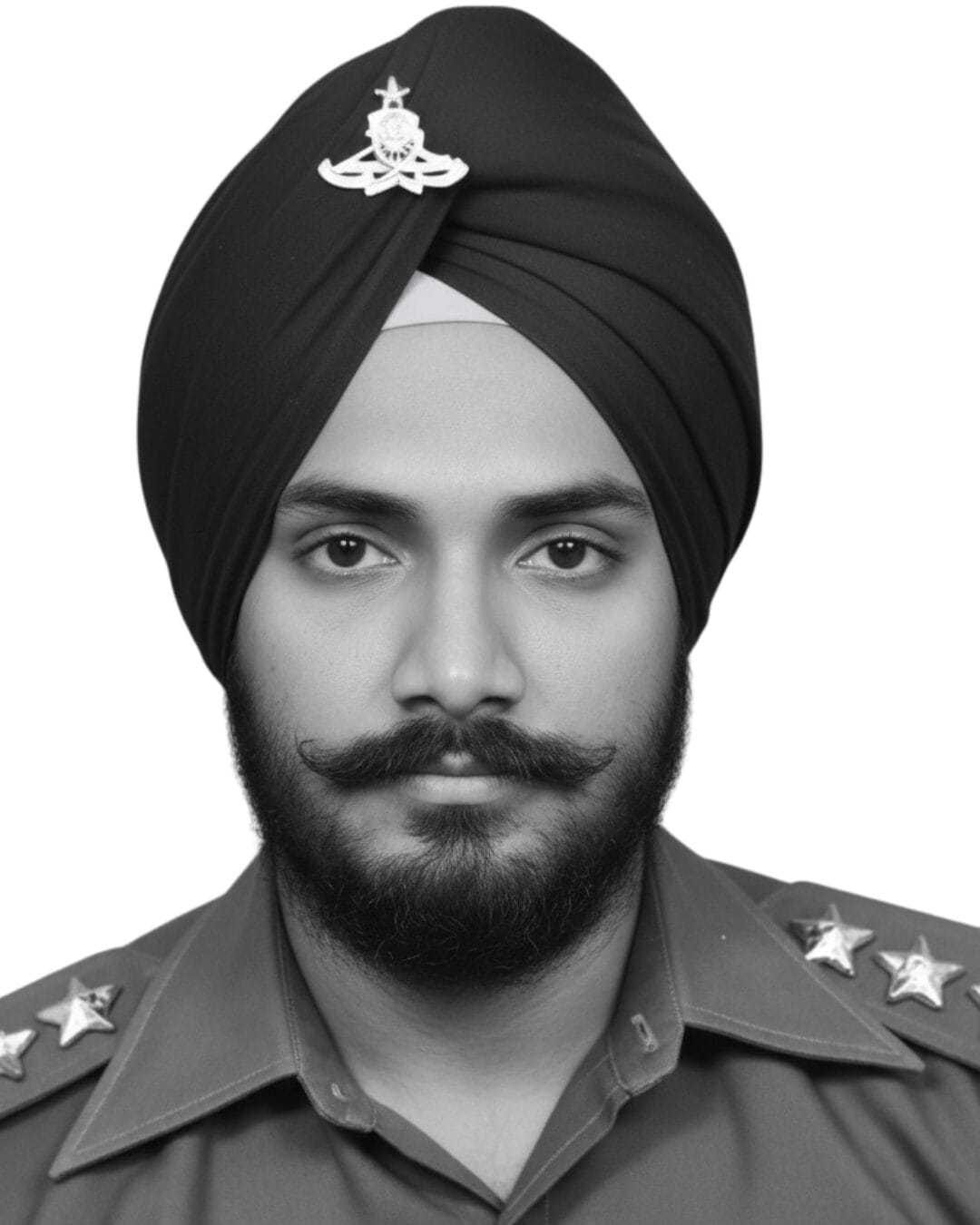
Written by
Capt. Dhaliwal · Director, New Careers Academy
Ex-Indian Army officer and SSB mentor at NCA Academy, Chandigarh (est. 1967), coaching NDA, CDS, AFCAT and SSB aspirants since the 1980s. About the author →
Reviewed by Hartaj Dhaliwal — SSB Strategist, NCA · third-generation officer · recommended by the SSB three times.