Quick Answer
The SSB SRT (Situation Reaction Test) presents 60 everyday situations in 30 minutes on Day 2 of the SSB, and you write a quick, practical reaction to each. There are no right or wrong answers — assessors look for Officer-Like Qualities: prompt, positive, realistic action that solves the problem and helps others. Good SRT responses are short, action-oriented and natural. Below are 50+ SRT examples with model responses, plus how to write effective answers.
The Situation Reaction Test (SRT) is one of the four psychological tests at the SSB Interview, and one of the most practised. With 60 situations to answer in 30 minutes, speed and spontaneity matter as much as content. This guide gives you 50+ SSB SRT questions with answers — model officer-like responses you can learn from — plus the format and a clear method to write effective SRTs. For the full psych series, see NCA’s SSB psychological tests guide.
SSB SRT Format
| Aspect | Detail |
|---|---|
| Number of situations | 60 |
| Time | 30 minutes |
| Per situation | ~30 seconds — write a brief reaction |
| Assessed for | Officer-Like Qualities, practical reasoning |
How to Write Effective SRT Responses
How do I write a good SRT answer? Keep it short, positive and action-based — state what you would actually do to solve the situation, calmly and responsibly, helping others where relevant. Avoid wishful, violent or unrealistic reactions. Write in the third person or as a direct action, finish quickly, and move on. Assessors reward natural, practical responses that show initiative, responsibility and presence of mind.
SSB SRT Questions with Answers — Everyday Situations
- He was going to school and saw an accident on the way… — He helped the injured, called an ambulance and informed the police, then reached school and explained the delay.
- She was alone at home and the lights went off at night… — She used her phone torch, checked the fuse, and calmly waited or called an electrician.
- He lost his wallet with money and documents in a new city… — He reported it to the police, blocked his cards, informed family and arranged temporary funds.
- His friends pressured him to copy in an exam… — He refused politely, prepared honestly and advised his friends to do the same.
- He found that his close friend was taking drugs… — He counselled his friend, informed a trusted elder and helped him seek de-addiction support.
- While trekking, the group lost its way at dusk… — He kept everyone calm, used a map/compass, marked the path and found shelter for the night.
- He saw a few boys teasing a girl on the road… — He intervened firmly, helped the girl reach safety and informed the police.
- His train was about to leave and he was stuck in traffic… — He took an alternate route, informed his contact, and booked the next train if he missed it.
- He was appointed team captain but the team did not cooperate… — He led by example, listened to the team, set clear roles and motivated them to perform.
- A fire broke out in his neighbour’s house… — He raised an alarm, called the fire brigade, helped evacuate people and used available means to control it.
- He failed in an important exam… — He analysed his mistakes, made a better plan and prepared harder for the next attempt.
- He was given a task with very little time… — He prioritised, planned quickly and completed the most important parts first.
- His younger brother fell into bad company… — He spent time with him, understood the cause and guided him toward better friends and goals.
- During a flood, his village was cut off… — He organised volunteers, moved people to safety and arranged food and rescue help.
- He was misunderstood and blamed for another’s mistake… — He stayed calm, explained the facts with evidence and cleared the misunderstanding.
- He had to lead a group of strangers on a project… — He introduced everyone, divided work by strengths and built quick cooperation.
- He saw a man fall on the railway track as a train approached… — He alerted others, signalled the train and helped pull the man to safety.
- His scooter broke down on a deserted road at night… — He tried to fix it, pushed it to a safe spot and arranged help calmly.
- He was offered a bribe to overlook a wrongdoing… — He refused, reported it to the right authority and stood by his integrity.
- His exam centre changed at the last minute… — He confirmed the new venue, planned travel early and reached on time.
- He found a bag full of money on the road… — He handed it to the police and tried to trace the owner.
- A colleague took credit for his work… — He clarified the facts politely to the seniors and continued to perform.
- He was caught in a stampede in a crowd… — He stayed calm, moved to the side, helped the weak and guided others to safety.
- His team lost an important match… — He encouraged the team, analysed mistakes and prepared for the next game.
- He noticed a suspicious unattended bag at a station… — He did not touch it, kept people away and informed the security immediately.
- He had less money than needed during a trip… — He cut non-essential spends, prioritised needs and arranged funds responsibly.
- A junior made a serious error under his command… — He corrected it, guided the junior and ensured it was not repeated.
- His friends planned something illegal… — He refused to join, tried to stop them and distanced himself from the act.
- He was injured but had to complete an important duty… — He gave first aid, managed the pain and completed the essential task before resting.
- He saw two groups about to fight… — He intervened calmly, defused the tension and resolved the issue peacefully.
- He was the only one who knew swimming when a friend was drowning… — He kept calm, used a float if available and rescued his friend safely.
- His project failed despite hard work… — He reviewed what went wrong, learned from it and rebuilt his approach.
- He was new in a city with no friends… — He explored the area, joined groups/activities and built new contacts.
- He received conflicting orders from two seniors… — He sought clarity respectfully and acted on the agreed instruction.
- A rumour was being spread about him… — He stayed composed, addressed it with facts and let his conduct speak.
- His vehicle hit a stray animal on the highway… — He stopped, helped the animal if possible and informed the right authority.
- He had to choose between a personal event and an important duty… — He prioritised the duty and managed the personal commitment around it.
- He found errors in his senior’s plan… — He pointed them out respectfully with a better solution.
- He was stuck on a mountain in bad weather… — He kept the group calm, conserved resources and waited safely for conditions to improve.
- He saw a child crying alone in a market… — He reassured the child, found help and reunited the child with the parents.
- His friend was nervous before an interview… — He motivated him, shared tips and helped him stay confident.
- He had to give bad news to his team… — He delivered it honestly, stayed positive and offered a way forward.
- He was running a race and a competitor fell… — He helped him up, then continued the race with sportsmanship.
- His house was burgled while he was away… — He informed the police, listed the losses and secured the house.
- He had to manage a function with a small budget… — He planned smartly, used resources well and delivered a successful event.
- He saw someone cheating a shopkeeper… — He intervened, informed the shopkeeper and prevented the fraud.
- He was tired but his help was urgently needed… — He pushed through, helped first and rested afterwards.
- He disagreed with the group’s decision… — He shared his view respectfully, then supported the final team decision.
- He found a junior being bullied… — He stopped it, supported the junior and reported the bullies.
- He had to take a quick decision in an emergency… — He assessed fast, acted decisively and managed the situation.
(Practise writing your own responses to 60 fresh situations in 30 minutes to build real speed.)
Common SRT Mistakes to Avoid
- Wishful or unrealistic answers — write what you would actually do.
- Violent or aggressive reactions — show maturity, not force.
- Over-writing — keep responses short so you finish all 60.
- Passive responses — show initiative and responsibility, not avoidance.
Test yourself with a free mock SRT and get OLQ-wise feedback.
Practise SRT with New Careers Academy
Founded in 1967, New Careers Academy is India’s oldest defence coaching institute, with 39,000+ aspirants guided into the armed forces. Our psychology coaching includes timed SRT, TAT, WAT and SD practice with personalised OLQ feedback from ex-defence officers — in-person or via online SSB coaching in India. Join NCA for SSB preparation today.
Your SSB Mentors at NCA
The ex-officer panel that personally assesses every NCA mock SSB:
Capt. Dhaliwal
Director · ex-Indian Army · SSB & PI specialist since the 1990s
Col. Ravi Sharma (Retd.)
Ex-Indian Army Colonel · GTO & PI specialist · 25+ yrs service
Group Captain Aggarwal (Retd.)
Ex-IAF Group Captain · AFSB lead · Flying Branch interview specialist
Hartaj Dhaliwal
Cleared NDA 1 & 2 · Founder, Hardit AI · SSB strategy lead
Real NCA Cadets — Selected via SSB
Recent NCA students who cleared the SSB and are now training at the IMA, INA, AFA and OTA:
- Yashwardhan — NDA 149, recommended at 18 SSB Allahabad
- Vansh Sharma — NDA 1 2022, All-India Rank 40
- Tejas Chandel — NDA 2 2022, AIR 15
- Rajvansh — All-India Rank 2, NDA
- Sourav, Naman, Karthikey, Devender, Ashish Kumar, Aryan Verma — and many more selected through the SSB
👋 Try a Free Mock SRT Before You Pay
Take a free 10-situation SRT session online with Capt. Dhaliwal and get your OLQ-wise feedback. No card needed.
Book Free Mock SRT →Join NCA for SSB — Online or Offline
- Online: Online SSB Coaching in India — live mock interviews, GTO & psychology training from home.
- Offline: SSB Coaching in Chandigarh — in-person ground tasks, mock interviews and personality development.
Frequently Asked Questions
What is the SRT in the SSB?
The Situation Reaction Test gives 60 everyday situations in 30 minutes; you write a quick, practical reaction to each, assessed for Officer-Like Qualities.
How many SRT questions are there?
60 situations, to be answered in 30 minutes — about 30 seconds each.
Are there right or wrong answers in SRT?
No. Assessors look for prompt, positive, realistic action that solves the problem and shows responsibility.
How do I write a good SRT response?
Keep it short and action-based, stay calm and realistic, help others where relevant, and finish all 60 within the time.
How can I practise SRT for the SSB?
Write timed responses to fresh situations daily, review them for OLQs, and take mock SRTs for feedback.
What qualities does the SRT assess?
Initiative, responsibility, presence of mind, practical reasoning and the ability to act under time pressure.
Conclusion
The SSB SRT rewards quick, practical, officer-like thinking — not perfect prose. Use the 50+ SRT questions with answers above as a model, then practise writing your own timed responses until they become natural. New Careers Academy, India’s oldest defence coaching institute since 1967, can train your psychology with expert feedback. Try a free mock SRT today.
Last updated: 25 June 2026. Sample responses are illustrative; write answers that reflect your own genuine, natural reactions.
📝 Complete the set: SSB Self Description (SD) examples & how to write it.
🎯 Want expert guidance for the SSB? Explore the expert SSB interview coaching at New Careers Academy — ex-officer mentors, live mock SSB and a proven selection record since 1967.
Written by
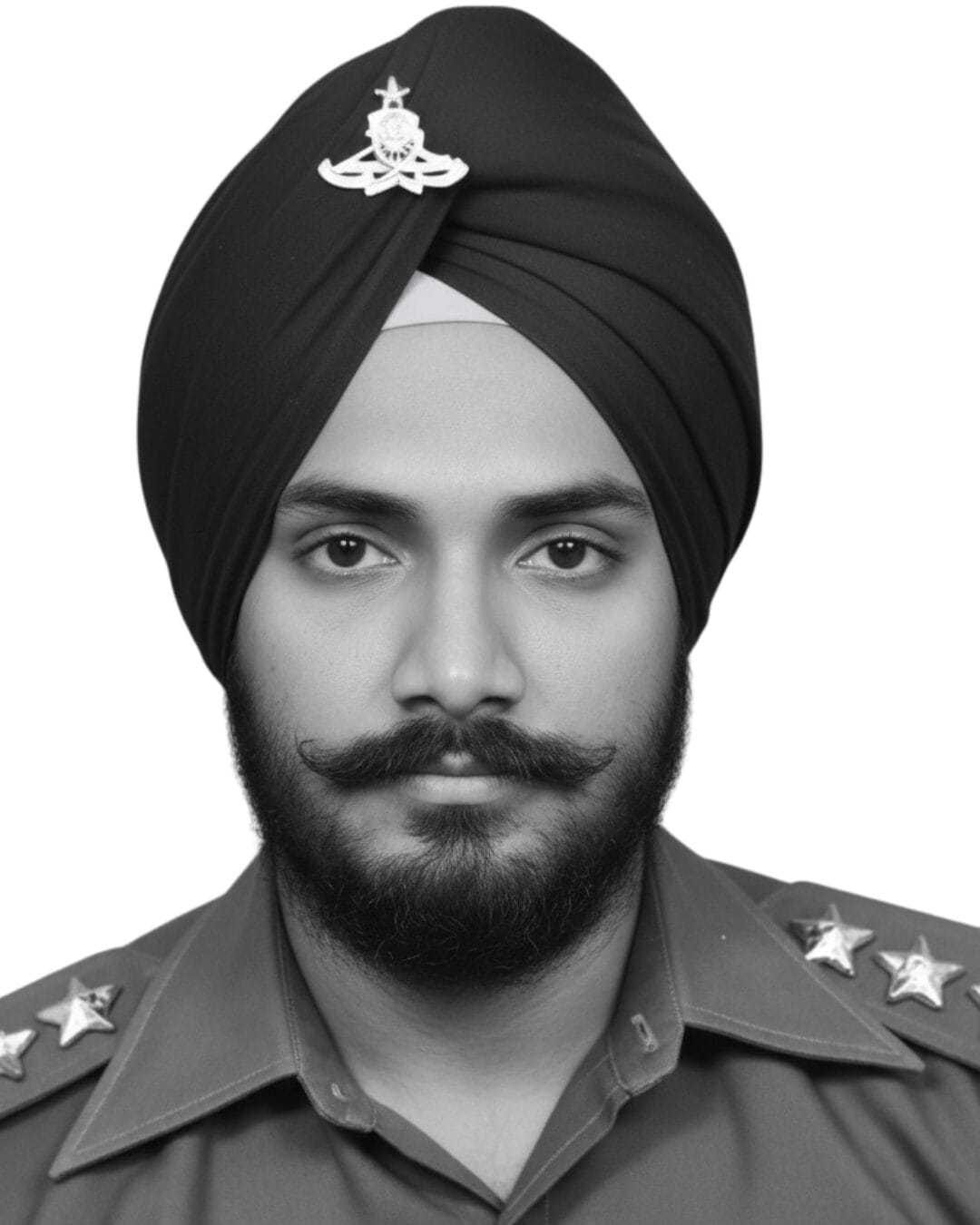
Capt. Dhaliwal · Director, New Careers Academy
Ex-Indian Army officer and SSB mentor at NCA Academy, Chandigarh (est. 1967), coaching NDA, CDS, AFCAT and SSB aspirants since the 1980s. About the author →
Reviewed by Hartaj Dhaliwal — SSB Strategist, NCA · third-generation officer · recommended by the SSB three times.