

How to Crack NDA in First Attempt: Realistic Strategy
Definition and Overview
Cracking NDA in the first attempt means clearing both the written examination (conducted by UPSC) and the SSB interview in the initial try. This requires systematic preparation covering Mathematics and General Ability Test papers, along with simultaneous personality development for Services Selection Board assessment. First-attempt success rate remains below 5 percent, making structured preparation essential.
Best NDA Preparation Framework
What makes NDA preparation effective? Best NDA preparation requires structured notes, weekly mock tests, and SSB-oriented personality development starting from day one of preparation.crack NDA in first attempt
Key Success Factors:
- 6-8 hours daily study minimum
- Equal focus on written exam and SSB qualities
- Previous year paper practice (minimum 10 years)
- Current affairs updated till exam day
- Physical fitness maintained throughout
Timeline: Minimum 6 months of focused preparation recommended for first-attempt success with consistent daily routine.
Common Success Rate: Only 3-5% candidates clear NDA in first attempt, making quality guidance and disciplined approach critical.With proper strategy and discipline, any serious aspirant can crack NDA in first attempt by following structured preparation and SSB-focused development.
Why First Attempt Matters
Clearing NDA in the first attempt provides several advantages. Candidates join the academy at a younger age, completing training earlier. The confidence gained from first-attempt success positively impacts the entire defence career. Additionally, candidates avoid the psychological pressure of repeated attempts and maintain motivation throughout SSB stages.
However, first-attempt success requires realistic planning, not just hard work. Many aspirants fail despite studying extensively because they lack proper strategy and ignore critical aspects like personality development and current affairs.
Common Mistakes Aspirants Make
Mistake 1: Starting Without Syllabus Analysis
Many candidates begin preparation by randomly picking books without understanding the exact syllabus. NDA mathematics covers specific Class 11-12 topics, not the entire curriculum. General Ability Test has defined weightage for each subject. Starting without this clarity wastes months.
Solution: Download official UPSC notification. Mark syllabus topics in NCERT books. Prepare topic-wise checklist before starting.
Mistake 2: Ignoring English Section (200 Marks)
Candidates, especially from Hindi medium backgrounds, often neglect the English section, which carries 200 marks out of 600 in General Ability Test. This single mistake can cost selection.
Solution: Dedicate minimum 1 hour daily to English. Focus on grammar rules, vocabulary, and comprehension practice from day one.
Mistake 3: Theory-Heavy Preparation Without Practice
Reading theory from multiple books without solving questions is a common error. NDA tests application speed, not just knowledge. Candidates who do not practice time-bound solving fail despite knowing concepts.
Solution: Follow 40:60 rule—40% time for theory, 60% for problem-solving and mock tests.
Mistake 4: Skipping Previous Year Papers
Many aspirants rely only on coaching material and ignore previous year question papers. This prevents understanding of question patterns, difficulty levels, and frequently asked topics.
Solution: Solve minimum 10 years of previous NDA papers. Analyze every paper for pattern recognition.
Mistake 5: Last-Minute Current Affairs
Current affairs is updated until exam day. Starting it in the last month leads to superficial coverage and poor retention.
Solution: Read newspapers daily from the first day. Maintain monthly current affairs notes. Revise weekly.
Mistake 6: Neglecting Physical Fitness
Candidates focus entirely on written exam and start physical training only after clearing it. This approach fails at SSB stage where stamina, outdoor tasks, and physical confidence are assessed.
Solution: Include daily running, push-ups, and outdoor activities from day one. Physical fitness builds mental discipline too.
Mistake 7: Ignoring SSB Preparation Until Written Exam
Most aspirants treat SSB as a separate stage to be prepared after written results. SSB assesses personality traits developed over months, not crammed in weeks.
Solution: Read newspapers for awareness, participate in group discussions, practice public speaking, and engage in team sports from the beginning.
Mistake 8: Over-Reliance on Coaching Notes Only
Depending entirely on coaching material without referring to standard books like NCERT creates conceptual gaps. Coaching notes are summaries, not complete sources.
Solution: Use coaching for guidance and strategy. Always refer to NCERT and standard reference books for depth.
Mistake 9: Inconsistent Study Routine
Studying 12 hours one day and skipping the next three days reduces retention. Consistency matters more than intensity.
Solution: Study 6-8 hours daily without fail. Quality routine beats irregular marathon sessions.
Mistake 10: Not Taking Mock Tests Seriously
Many candidates take mock tests casually without time discipline or proper analysis. Mock tests are practice for actual exam conditions.
Solution: Take minimum 20 full-length mocks in exam-like environment. Analyze each test for mistakes and weak areas.
Realistic Study Hours Breakdown (6-Month Plan)
Daily Study Schedule (8 Hours)
Morning Session (3 hours): 6:00 AM – 9:00 AM
- Mathematics practice (2 hours)
- English grammar/vocabulary (1 hour)
Mid-Morning Session (2 hours): 10:00 AM – 12:00 PM
- General Knowledge theory (History/Geography/Science)
- Topic-wise notes preparation
Afternoon Session (2 hours): 3:00 PM – 5:00 PM
- Current affairs reading (newspaper + magazine)
- Previous year question practice
- Doubt clearing
Evening Session (1 hour): 6:00 PM – 7:00 PM
- Revision of morning topics
- Quick formula revision
- English comprehension practice
Physical Fitness (1 hour): 5:00 PM – 6:00 PM
- Running/jogging
- Push-ups, pull-ups
- Outdoor games/sports
Night Revision (30 minutes): 9:30 PM – 10:00 PM
- Current affairs headlines
- Day’s summary revision
Subject-wise Weekly Hours Distribution
| Subject | Weekly Hours | Focus Areas |
|---|---|---|
| Mathematics | 14-16 hours | Problem solving, speed practice |
| English | 7-8 hours | Grammar, vocabulary, comprehension |
| Physics | 5-6 hours | Numericals, concepts |
| Chemistry | 3-4 hours | Reactions, equations |
| General Science | 2-3 hours | Biology basics |
| History | 4-5 hours | Ancient, Medieval, Modern, Freedom Movement |
| Geography | 4-5 hours | Physical + Indian geography |
| Current Affairs | 7 hours | Daily newspaper + monthly compilation |
| Mock Tests | 5 hours | Weekly full-length test + analysis |
| SSB Activities | 7 hours | Group discussions, public speaking, reading |
Total Weekly Study Hours: 56-60 hours (8 hours daily average)
Month-wise Preparation Breakdown
Month 1-2: Foundation Building
- Complete Mathematics syllabus (NCERT Class 11-12)
- Cover English grammar rules
- Finish History and Geography NCERT (Class 6-12)
- Start Physics and Chemistry basics
- Begin current affairs compilation
Month 3-4: Intensive Practice
- Solve topic-wise previous year questions
- Complete General Science syllabus
- Advanced Mathematics problems
- Start taking subject-wise mock tests
- Continue current affairs daily
Month 5: Consolidation Phase
- Full syllabus revision
- Weekly full-length mock tests
- Focus on weak areas identified in mocks
- Speed improvement drills
- Current affairs thorough revision
Month 6: Final Preparation
- 2 full-length mocks per week
- Quick revision using notes only
- Current affairs last-minute updates
- Formula sheets and short notes
- Rest adequately before exam
Mathematics vs GAT Strategy: Detailed Approach
Mathematics Paper Strategy (300 Marks)
Why Mathematics is Critical: Mathematics has higher marks-per-question ratio. Each question carries 2.5 marks. Scoring 200+ in Mathematics significantly boosts total score.
Topic-wise Priority (High to Low Weightage):
High Priority Topics (150+ marks coverage):
- Calculus (Differential + Integral): 50-60 marks
- Trigonometry: 25-30 marks
- Algebra: 25-30 marks
- Analytical Geometry (2D): 20-25 marks
Medium Priority Topics (100 marks coverage):
- Matrices and Determinants: 20-25 marks
- 3D Geometry: 15-20 marks
- Vector Algebra: 15-20 marks
- Statistics and Probability: 15-20 marks
Preparation Strategy:
- NCERT Mastery First: Complete NCERT Class 11 and 12 thoroughly. Solve all examples and exercises.
- Formula Sheet Creation: Maintain a separate notebook for formulas. Revise daily.
- Problem-Solving Speed: Practice 30-40 questions daily. Time each question.
- Previous Year Analysis: Identify repeated question types. Practice similar problems extensively.
- Mock Test Discipline: Attempt full Mathematics paper in 2.5 hours weekly.
- Calculation Accuracy: Practice mental calculation. Avoid calculator dependency during preparation.
Target Score: Aim for 200-220 marks out of 300 for first-attempt success.
General Ability Test Strategy (600 Marks)
Why GAT Needs Different Approach: GAT has 600 marks but questions are easier than Mathematics. However, the vast syllabus makes selective preparation essential.
Section-wise Strategy:
English (200 marks) – Scoring Section
Daily Routine:
- Read newspaper editorial (30 minutes)
- Learn 10 new words daily
- Practice 1 comprehension passage
- Solve 20 grammar questions
Key Topics:
- Spotting errors
- Sentence improvement
- Synonyms and antonyms
- Fill in the blanks
- Comprehension
Target Score: 140-160 marks
Physics (100 marks)
Preparation Method:
- NCERT Class 11-12 (selected chapters only)
- Focus on mechanics, heat, light, electricity
- Practice numerical problems
- Learn units and dimensions
Target Score: 60-70 marks
Chemistry (60 marks)
Preparation Method:
- Organic chemistry basics
- Periodic table trends
- Chemical reactions and equations
- Environmental chemistry
Target Score: 35-40 marks
General Science (40 marks)
Preparation Method:
- Human body systems
- Diseases and nutrition
- Scientific terms
- Recent scientific developments
Target Score: 25-30 marks
History (80 marks)
Preparation Method:
- NCERT Class 6-12 (Ancient, Medieval, Modern)
- Freedom Movement detailed coverage
- Important dates, personalities, movements
Target Score: 55-65 marks
Geography (80 marks)
Preparation Method:
- Physical geography concepts
- Indian geography (rivers, mountains, states)
- World geography basics
- Maps practice
Target Score: 55-65 marks
Current Affairs (40 marks)
Preparation Method:
- Daily newspaper reading
- Monthly magazine compilation
- Focus on defence, national, international news
- Sports and awards
Target Score: 30-35 marks
Overall GAT Target: 400-450 marks out of 600
SSB Integration from Day 1: Building Officer-Like Qualities
Why SSB Preparation Must Start Early
SSB does not test knowledge but personality traits. These traits—leadership, teamwork, communication, awareness, decision-making—develop over months through conscious practice, not last-minute preparation. Candidates who integrate SSB qualities into daily routine succeed at both written and interview stages.
Daily Activities for SSB Readiness
Morning Routine (Discipline and Fitness):
- Wake up at 5:30-6:00 AM daily (develops punctuality)
- Physical exercise without fail (builds stamina)
- Neat grooming and organized study space (reflects personality)
Newspaper Reading (Awareness and Communication):
- Read full newspaper, not just current affairs section
- Discuss news with family/friends (improves articulation)
- Form opinions on national issues (critical thinking)
Group Activities (Teamwork and Leadership):
- Participate in sports (football, cricket, volleyball)
- Join debate clubs or group discussions
- Take initiative in organizing study groups
Public Speaking Practice:
- Present topics in front of mirror
- Speak confidently with family members
- Participate in school/college events
Reading Habits (Knowledge and Vocabulary):
- Read one book per month (biography/history/defence-related)
- Note down new words and concepts
- Develop informed opinions on social issues
Weekly SSB-Oriented Tasks
Week 1-2: Self-Assessment
- Write Personal Information Questionnaire (PIQ) in detail
- Identify strengths and weaknesses honestly
- List achievements and extracurricular activities
Week 3-4: Communication Skills
- Practice 2-minute self-introduction
- Record and review speech delivery
- Work on voice modulation and confidence
Month 2 onwards: Outdoor Confidence
- Join trekking or adventure clubs
- Practice outdoor obstacle-like activities
- Develop problem-solving in group settings
Month 4 onwards: Mock SSB Practice
- Participate in mock group discussions
- Practice lecturette (3-minute talk on random topics)
- Attempt practice PIQ and personal interview questions
Personality Traits to Develop Daily
Leadership:
- Take responsibility in group studies
- Guide juniors or peers when needed
- Show initiative rather than waiting for instructions
Teamwork:
- Collaborate effectively in group projects
- Listen to others’ opinions respectfully
- Contribute positively to collective goals
Communication:
- Speak clearly and confidently
- Express thoughts logically
- Practice active listening
Awareness:
- Stay updated on current national and international affairs
- Understand defence-related news deeply
- Form balanced opinions on social issues
Decisiveness:
- Make small daily decisions independently
- Analyze situations before reacting
- Stand by decisions with logical reasoning
Physical Courage:
- Overcome fear of heights, physical tasks
- Build stamina through consistent training
- Maintain positive attitude during challenges
Exam-oriented institutions such as New Careers Academy emphasise integrated preparation, ensuring candidates develop both written exam competence and SSB personality traits simultaneously, which significantly increases first-attempt success probability.
Why New Careers Academy is Your Best Place for NDA Coaching
Integrated Written + SSB Preparation Model
New Careers Academy follows a unique methodology that does not separate written exam coaching from SSB personality development. From day one, students are trained in both academic subjects and officer-like qualities. This dual-focus approach ensures candidates do not scramble for SSB preparation after clearing the written exam.
Key Features:
- Daily personality development sessions
- Regular group discussions and public speaking practice
- Mock SSB interviews conducted by retired defence officers
- Physical training integrated into weekly schedule
Experienced Faculty with Defence Background
The academy employs faculty members who have either cleared NDA/CDS themselves or have extensive experience training defence aspirants. This practical understanding of exam patterns and SSB psychology provides students with insights that generic coaching centers cannot offer.
Faculty Expertise:
- Mathematics and Physics taught by IIT/NIT graduates with defence exam specialization
- English and General Knowledge handled by subject experts with 10+ years NDA coaching experience
- SSB training conducted by ex-defence officers familiar with actual selection process
Structured Study Material Based on UPSC Patterns
New Careers Academy provides study material developed after analyzing 15+ years of NDA question papers. The content is aligned with NCERT standards but formatted specifically for NDA exam requirements.
Material Quality:
- Topic-wise previous year questions compiled
- Short notes for quick revision
- Formula sheets and tricks for Mathematics
- Current affairs monthly compilation
- SSB psychology preparation booklets
Regular Mock Tests with All-India Ranking
The academy conducts weekly mock tests that simulate actual NDA exam conditions. These tests are evaluated promptly, and students receive detailed performance analysis including all-India ranking, which helps gauge preparation level realistically.
Mock Test System:
- 20+ full-length tests during 6-month course
- Subject-wise tests for focused improvement
- OMR-based answer marking for exam familiarity
- Individual performance tracking and counseling
Small Batch Sizes for Personal Attention
Unlike large coaching centers with 100+ students per batch, New Careers Academy maintains batch sizes of 25-30 students. This allows faculty to provide individual attention, clear doubts personally, and track each student’s progress closely.
Benefits of Small Batches:
- Personalized doubt-clearing sessions
- Individual performance monitoring
- Custom study plans for weak students
- Better classroom discipline and interaction
Current Affairs Integration Till Exam Day
Many coaching institutes stop updating current affairs 2-3 months before exams. New Careers Academy provides current affairs updates until the actual exam day, ensuring students do not miss recent important events.
Current Affairs Mechanism:
- Weekly current affairs classes
- Monthly printed compilations
- Important news discussed in daily sessions
- Revision sheets before exam
Physical Training and Outdoor Activities
Understanding that SSB assesses physical fitness and outdoor confidence, the academy organizes regular physical training sessions, sports activities, and occasional outdoor camps where students develop teamwork and leadership qualities naturally.
Physical Development Program:
- Daily morning PT sessions
- Weekly sports activities (football, volleyball, athletics)
- Monthly outdoor obstacle practice
- Running and stamina building exercises
Post-Selection SSB Guidance
Even after students clear the written exam, New Careers Academy continues support through SSB preparation workshops. Retired defence officers conduct mock interviews, psychological tests, and GTO task practice sessions.
SSB Support Services:
- 5-day mock SSB camp
- PIQ form filling guidance
- Personal interview preparation
- Conference discussion simulation
Proven Track Record
New Careers Academy has consistently produced NDA qualifiers, with several students clearing the exam in their first attempt. The academy’s approach of combining academics with personality development has proven effective over years.
Success Indicators:
- 60%+ students clear written exam in first attempt
- 30%+ students receive SSB call letters
- Regular selections in Army, Navy, and Air Force wings
- Alumni network supporting current students
Affordable Fee Structure with Scholarship Support
The academy believes quality defence coaching should be accessible. It offers competitive fee structures with scholarship options for economically weaker students and merit-based fee waivers.
Financial Accessibility:
- Transparent fee structure with no hidden charges
- Installment payment options
- Merit scholarships for top performers
- Special discounts for defence family wards
Comprehensive Doubt-Clearing Mechanism
Students can approach faculty anytime during academy hours for doubt clearing. Additionally, dedicated doubt-clearing sessions are scheduled weekly where accumulated questions are addressed systematically.
Doubt Resolution System:
- Daily doubt-clearing hours
- Subject-wise dedicated sessions
- Online doubt support through WhatsApp groups
- One-on-one counseling for struggling students
Month-wise Milestones for First Attempt Success
Month 1: Foundation and Habit Formation
Academic Goals:
- Complete 40% Mathematics syllabus
- Finish English grammar rules
- Cover Ancient and Medieval Indian History
- Start Physics basics
SSB Goals:
- Begin newspaper reading habit
- Start maintaining current affairs notes
- Join sports/group activities
- Work on communication confidence
Mock Test: 1 baseline test to assess current level
Month 2: Syllabus Completion Push
Academic Goals:
- Complete remaining Mathematics syllabus
- Finish Modern Indian History and Geography
- Complete Chemistry syllabus
- Practice English comprehension daily
SSB Goals:
- Practice 2-minute self-introduction
- Participate in group discussions
- Read one defence-related book
- Continue daily newspaper reading
Mock Tests: 2 subject-wise tests (Mathematics + GAT separately)
Month 3: Practice Intensification
Academic Goals:
- Solve 5 years of previous year papers
- Complete General Science
- Start topic-wise weak area practice
- Build current affairs compilation
SSB Goals:
- Practice lecturette on random topics
- Improve public speaking skills
- Physical fitness routine established
- Mock PIQ filling practice
Mock Tests: 3 full-length tests
Month 4: Speed and Accuracy Development
Academic Goals:
- Solve remaining 5 years previous papers
- Time-bound problem solving practice
- Formula revision and shortcuts
- Current affairs thorough coverage
SSB Goals:
- Mock group discussions
- Practice personal interview questions
- Outdoor confidence activities
- Psychological test practice
Mock Tests: 4 full-length tests
Month 5: Comprehensive Revision
Academic Goals:
- Complete syllabus revision
- Focus on high-weightage topics
- Weak area targeted practice
- Mock test analysis and improvement
SSB Goals:
- Full mock SSB practice (if academy provides)
- Final personality assessment
- Confidence building exercises
- Continue all SSB activities
Mock Tests: 5-6 full-length tests
Month 6: Final Sprint
Academic Goals:
- Quick revision using notes only
- Formula and fact sheets memorization
- Last-minute current affairs
- Rest and health management
SSB Goals:
- Maintain newspaper reading
- Keep confidence high
- Physical fitness peak
- Mental readiness
Mock Tests: 4-5 final full-length tests
Key Success Indicators for First Attempt
Candidates on track for first-attempt success typically show these indicators:
- Consistently scoring 450+ in mock tests (out of 900)
- Completing mock tests within time limit
- Mathematics score improving steadily
- Current affairs updated till exam week
- Physical fitness routine maintained
- Confident communication in group settings
- Positive feedback from teachers/mentors
- Regular study routine without major breaks
Structured preparation at platforms like New Careers Academy helps candidates track these indicators systematically and make course corrections when needed, significantly improving first-attempt success probability.
Final Week Strategy
7 Days Before Exam:
- Stop learning new topics
- Revise formula sheets and short notes only
- Take one final full-length mock test
- Review all previous mock test mistakes
3 Days Before Exam:
- Light revision of current affairs
- Quick subject-wise fact revision
- Maintain normal sleep schedule
- Avoid heavy studying
1 Day Before Exam:
- Rest completely or do very light revision
- Check exam center location and route
- Prepare documents and stationery
- Sleep early (by 10 PM)
Exam Day:
- Reach center 45 minutes early
- Stay calm and confident
- Attempt easier questions first
- Manage time strictly (75 minutes per paper half)
Key Points at a Glance (Quick Revision Box)
- First-attempt success requires 6-8 months of disciplined preparation
- Study 6-8 hours daily with consistent routine
- Focus equally on Mathematics (300 marks) and GAT (600 marks)
- Target score: 500-550 out of 900 for comfortable selection
- Take minimum 20 full-length mock tests
- Integrate SSB preparation from day one
- Maintain physical fitness throughout preparation
- Read newspaper daily without fail
- Solve 10 years of previous year papers
- Join quality coaching like New Careers Academy for structured guidance
- Avoid common mistakes: neglecting English, skipping mocks, irregular routine
- Build officer-like qualities: leadership, teamwork, communication, awareness
Conclusion
Cracking NDA in the first attempt is achievable with realistic strategy, disciplined execution, and integrated preparation covering both written exam and SSB personality development. The key lies in avoiding common mistakes, maintaining consistent study hours with proper subject-wise distribution, following Mathematics and GAT-specific strategies, and building officer-like qualities from day one. Quality coaching plays a crucial role in providing structure, guidance, and continuous assessment. New Careers Academy offers comprehensive NDA preparation combining academic excellence with SSB training, experienced faculty, regular mock tests, and personalized attention in small batches, making it an ideal platform for aspirants serious about first-attempt success. With proper planning, dedicated effort, and expert guidance, the goal of joining National Defence Academy becomes achievable even for first-time candidates.
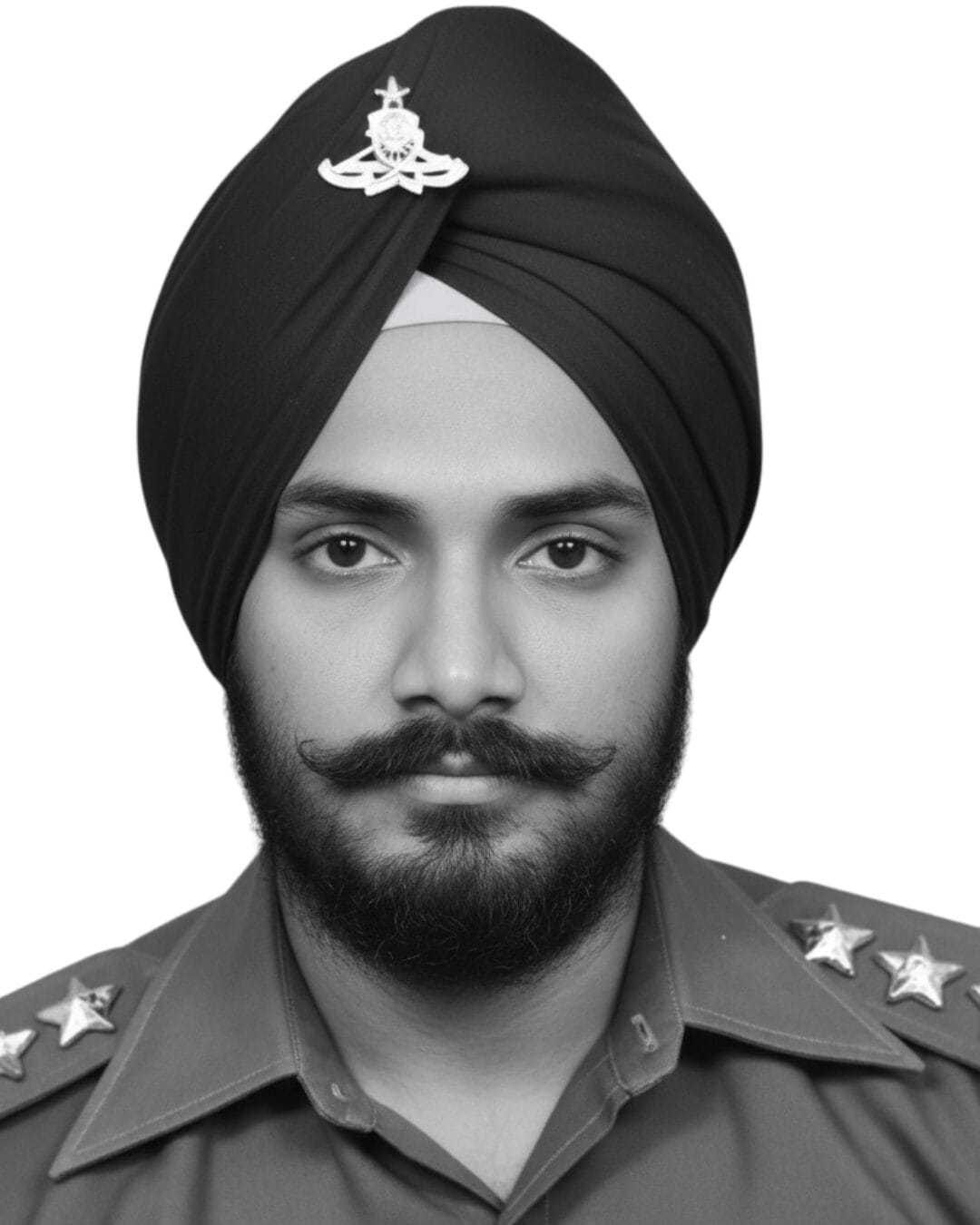
Written by
Capt. Dhaliwal · Director, New Careers Academy
Ex-Indian Army officer and SSB mentor at NCA Academy, Chandigarh (est. 1967), coaching NDA, CDS, AFCAT and SSB aspirants since the 1980s. About the author →
Reviewed by Hartaj Dhaliwal — SSB Strategist, NCA · third-generation officer · recommended by the SSB three times.