The Durand Line: History, Controversy, and Present Challenges (2025 Update)

Introduction: Understanding the Durand Line and Its Modern Relevance
The Durand Line, one of the most contentious borders in the world, separates Afghanistan and Pakistan and stretches over 2,640 kilometres (1,640 miles). Created in 1893, this frontier was drawn during the Great Game British India era — a period when the British Empire sought to safeguard its Indian territories from Russian expansion.
Negotiated between Sir Mortimer Durand, a British diplomat, and Abdur Rahman Khan, the then Emir of Afghanistan, the line was meant to define spheres of influence and secure a buffer zone. However, over time, this decision — made without local consultation — evolved into one of South Asia’s most enduring geopolitical flashpoints.
Today, the Durand Line dispute 2025 remains a serious challenge to Afghanistan-Pakistan relations, with continuing border skirmishes, terror threats, and political disagreements defining the frontier.
Durand Line History: Colonial Strategy and Its Legacy
The Durand Line history dates back to the late 19th century, when the British Empire sought to protect its Indian colony from Russian advances.
In 1893, the border was delineated through an agreement between Abdur Rahman Khan and Mortimer Durand.
The primary intent was to create a buffer state (Afghanistan), ensuring British dominance south of the Hindu Kush while limiting Russian influence.
The border was drawn hastily, dividing Pashtun tribal territories and separating families, communities, and trade routes.
This colonial border in South Asia became the foundation of future disputes. The Anglo-Afghan Treaty of 1919reaffirmed the Durand Line as the official boundary following Afghanistan’s regained independence after the Third Anglo-Afghan War.
When Pakistan was created in 1947, it inherited this border from British India, a move Afghanistan has never officially recognized — making it the only country to challenge Pakistan’s territorial boundaries to this day.
Durand Line Controversy: Political and Ethnic Divides
The Durand Line controversy lies at the heart of the Pashtun border issue.
Afghanistan’s governments — from Mohammed Daoud Khan to Hamid Karzai — have refused to recognize the Durand Line, arguing that it was imposed under duress by colonial powers. The line divides Pashtun and Baloch populations, cutting across traditional tribal regions that had existed long before modern nation-states emerged.
For Pakistan, however, the Durand Line Afghanistan Pakistan border is its legally recognized international frontier, acknowledged by major world powers and the United Nations.
This political standoff over Afghanistan Pakistan relations continues to inflame nationalist sentiments, often influencing domestic and foreign policy decisions on both sides.
Durand Line Dispute 2025: Rising Tensions and Security Challenges
In 2025, the Durand Line dispute remains unresolved, with increasing cross-border violence and diplomatic strain.
1. Tehreek-e-Taliban Pakistan (TTP) and Cross-Border Militancy
The rise of the Tehreek-e-Taliban Pakistan (TTP) has deepened mistrust between Islamabad and Kabul. Pakistan accuses Afghanistan’s Taliban government of harboring TTP militants, while Afghanistan claims they are Pashtun refugees fleeing conflict.
This ongoing standoff has led to clashes, airstrikes, and retaliatory attacks, particularly in Khyber Pakhtunkhwaand Nangarhar regions.
2. Pakistan Border Fencing
In an attempt to control illegal crossings and militant infiltration, Pakistan has constructed a comprehensive border fencing system along most of the Durand Line Afghanistan Pakistan border.
While this initiative aims to improve national security, it has angered Afghan authorities, who consider the fencing an attempt to legitimize an “illegal border.”
3. Border Clashes and Ceasefires
Recent incidents in 2025 have resulted in dozens of casualties, including border security personnel and civilians. Temporary 48-hour ceasefires have been negotiated through local tribal elders, but no permanent resolution has been achieved.
The Durand Line dispute 2025 thus symbolizes both historic grievances and modern security threats — a blend of colonial legacy and contemporary instability.
The Pashtun Border Issue: Ethnic, Cultural, and Economic Impact
The Pashtun border issue remains one of the most significant consequences of the Durand Line controversy.
The line split Pashtun tribal communities, isolating families, trade networks, and cultural heritage.
Economic opportunities along the Afghanistan-Pakistan frontier have been limited by constant conflict and restricted movement.
Social ties once connecting regions like Peshawar, Jalalabad, and Kandahar have weakened due to visa restrictions and military patrols.
This ongoing ethnic divide continues to influence both Afghan nationalism and Pakistan’s border policy.
Why the Durand Line Still Matters in 2025
The Durand Line Afghanistan Pakistan border is more than a geographical divide — it is a symbol of colonial borders in South Asia that continue to shape security, identity, and diplomacy.
Key Reasons It Matters:
Strategic Significance: It remains one of the most militarized frontiers in Asia.
Regional Security: The border plays a major role in counter-terrorism operations and Afghanistan Pakistan relations.
Humanitarian Concerns: Cross-border restrictions have impacted Pashtun civilians and refugee communities.
Historical Context: It reflects the enduring legacy of Great Game British India, where imperial boundaries still influence modern politics.
Why Choose New Careers Academy (NCA) for International Relations Prep
If you’re preparing for UPSC, CDS, or defense exams, understanding topics like the Durand Line dispute 2025 is crucial.
New Careers Academy (NCA) offers:
Expert-Curated Notes: Covering Durand Line history, Afghanistan Pakistan relations, and South Asian geopolitics.
Free, Regular Updates: Get up-to-date materials on international conflicts and diplomacy.
Defense-Oriented Insights: Perfect for aspirants aiming for SSB, NDA, CDS, and CAPF.
Visit NCA to access free, detailed explanations and strengthen your current affairs foundation.
FAQs on the Durand Line (2025 Edition)
Q1: What is the historical significance of the Durand Line?
A1: It was established in 1893 between Abdur Rahman Khan and Mortimer Durand to divide British India and Afghanistan during the Great Game period.
Q2: Why does Afghanistan reject the Durand Line?
A2: Afghanistan views it as a colonial-era imposition that divides Pashtun tribes and violates its sovereignty.
Q3: What role does the Tehreek-e-Taliban Pakistan (TTP) play in the current border conflict?
A3: The TTP operates in border areas, leading to security challenges and military tensions between Afghanistan and Pakistan.
Q4: How does the Pakistan border fencing affect the dispute?
A4: Pakistan claims it’s necessary for security, while Afghanistan calls it an illegal reinforcement of the Durand Line.
Q5: What treaty formalized the border during British rule?
A5: The Anglo-Afghan Treaty of 1919, signed after Afghanistan’s independence, recognized the Durand Line as the boundary between both regions.
Conclusion: Colonial Borders, Modern Challenges
The Durand Line controversy remains a defining feature of Afghanistan Pakistan relations in 2025. What began as a colonial boundary under British India continues to influence modern geopolitics, ethnic divisions, and security challenges in South Asia.
Resolving the Durand Line dispute 2025 will require diplomatic dialogue, regional cooperation, and acknowledgment of Pashtun cultural unity — goals that remain distant but essential for long-term stability.
For aspirants studying international relations and defense, understanding the Durand Line history offers critical insights into the legacy of colonial borders in South Asia and their impact on today’s global politics.
Authoritative Sources
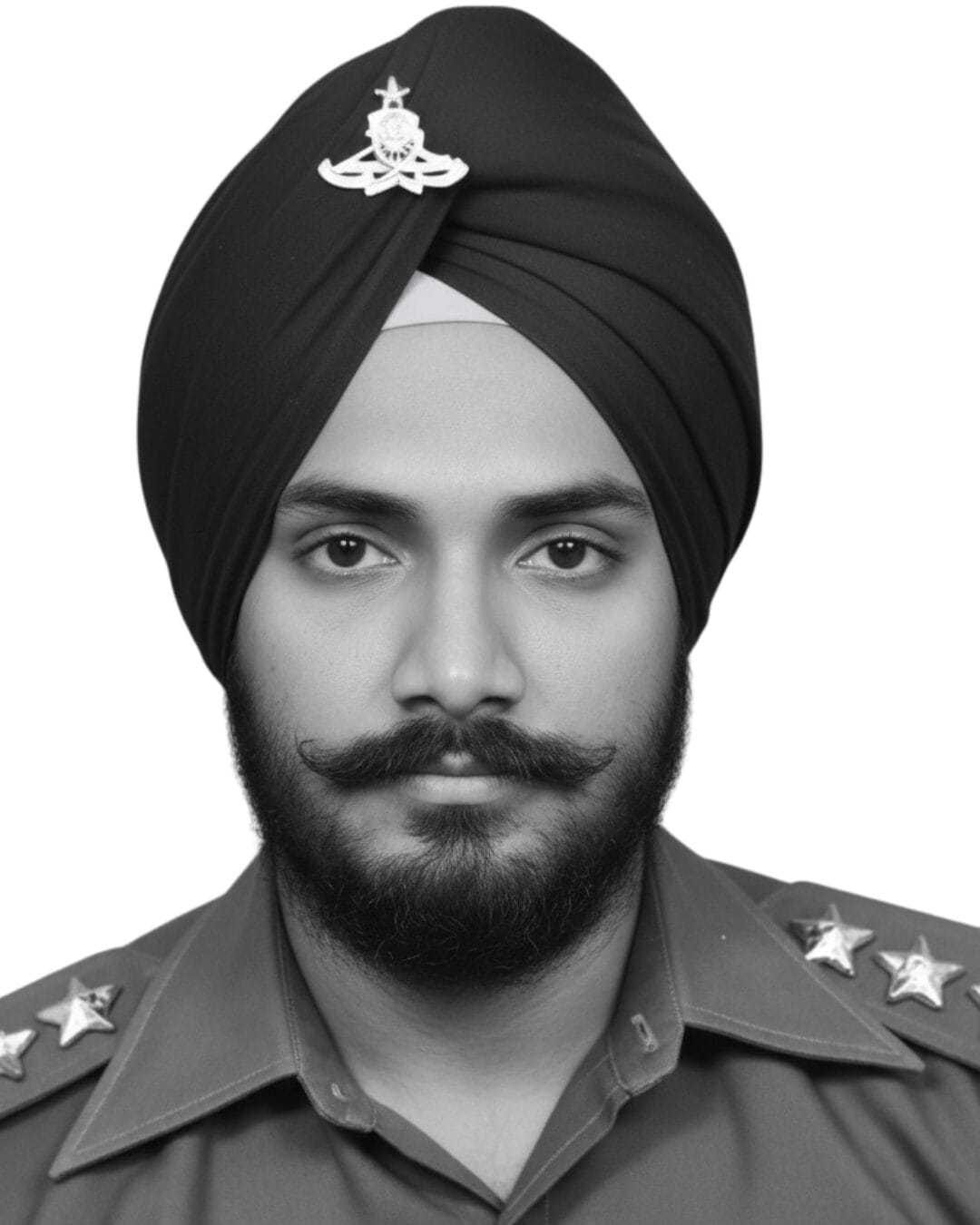
Written by
Capt. Dhaliwal · Director, New Careers Academy
Ex-Indian Army officer and SSB mentor at NCA Academy, Chandigarh (est. 1967), coaching NDA, CDS, AFCAT and SSB aspirants since the 1980s. About the author →
Reviewed by Hartaj Dhaliwal — SSB Strategist, NCA · third-generation officer · recommended by the SSB three times.