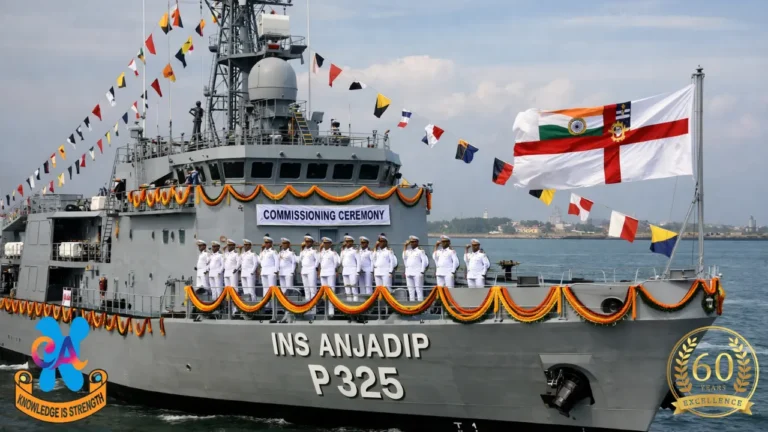
DAC Approves ₹79,000 Crore Defence Procurement Proposals (October 2025)


In a historic decision on 23 October 2025, the Defence Acquisition Council (DAC), chaired by Defence Minister Rajnath Singh, approved ₹79,000 crore worth of procurement proposals covering the Indian Army, Navy, and Air Force.
According to the Press Information Bureau (PIB), these procurements aim to modernise the armed forces while boosting indigenous production under the government’s “Make in India” initiative.
This major investment demonstrates a clear strategic intent — to equip India’s forces with advanced systems across land, sea, and air while reducing reliance on foreign imports.
What Is the Defence Acquisition Council (DAC)?
The Defence Acquisition Council (DAC) is India’s top decision-making body for approving capital acquisitions in defence.
Chairperson: Defence Minister Rajnath Singh
Objective: Streamline procurement, promote self-reliance, and ensure operational readiness.
Function: Approves proposals from the Army, Navy, and Air Force based on strategic needs and financial feasibility.
Highlights of the DAC Meeting (October 2025)
The DAC’s October 2025 session approved ₹79,000 crore in acquisitions aimed at strengthening combat readiness and intelligence capabilities.
Key highlights include:
Comprehensive upgrades for Army, Navy, and Air Force.
Emphasis on indigenously developed systems such as ALWT and NAMIS.
A strategic focus on logistics, surveillance, and multi-domain operations.
Key Approvals for the Indian Army
Nag Missile System (Tracked) Mk-II (NAMIS)
The Army will induct the Nag Missile System (Tracked) Mk-II, designed for anti-armour warfare. Mounted on a mobile tracked carrier, NAMIS enhances India’s offensive capabilities against heavily armoured targets.
Ground Based Mobile ELINT System (GBMES)
The GBMES will provide real-time electronic intelligence for the Army, enabling faster decision-making and improved battlefield awareness.
High Mobility Vehicles (HMVs)
Procurement of High Mobility Vehicles with cranes will strengthen logistics and support rapid equipment deployment across terrains.
Key Approvals for the Indian Navy
Landing Platform Docks (LPDs)
The Navy’s new Landing Platform Docks (LPDs) will enhance amphibious operations, humanitarian assistance, and disaster relief efforts. These vessels will expand India’s naval reach across the Indo-Pacific.
Advanced Light Weight Torpedoes (ALWT)
Developed indigenously by DRDO’s Naval Science & Technological Laboratory, the ALWT is a powerful underwater weapon that strengthens India’s anti-submarine capabilities.
Naval Surface Gun, EO/IR Systems & Smart Ammunition
Additional procurements include:
30 mm Naval Surface Guns
Electro Optical-Infrared (EO/IR) Search and Track Systems
Smart ammunition for 76 mm Super Rapid Gun Mounts
Together, these systems will provide superior tracking, precision, and lethality for India’s naval forces.
Key Approvals for the Indian Air Force
Collaborative Long Range Target Saturation/Destruction System (CLRTS/DS)
Perhaps the most futuristic among the approvals, the CLRTS/DS is designed for autonomous long-range target detection, coordination, and strike missions.
This system represents a leap toward AI-enabled warfare, featuring:
Autonomous navigation and flight
Coordinated multi-drone operations
Precision payload delivery
The Air Force’s investment in CLRTS/DS showcases its commitment to next-generation aerial warfare technologies.
Strategic Significance of ₹79,000 Crore Investment
This procurement package underscores India’s determination to:
Modernise its armed forces.
Boost indigenous defence production.
Strengthen strategic deterrence in an evolving regional security environment.
Indigenisation & Self-Reliance Push
Systems like ALWT and NAMIS reflect India’s move towards self-reliant defence manufacturing. These are aligned with the Aatmanirbhar Bharat vision and ensure long-term sustainability.
Regional and Strategic Impact
From amphibious operations to advanced strike capabilities, these procurements enhance India’s joint force interoperability and readiness for multi-domain warfare.
Impact on India’s Defence Industry
The ₹79,000 crore package is expected to energize India’s defence production ecosystem, involving key players like:
DRDO (Defence Research and Development Organisation)
Bharat Electronics Limited (BEL)
Larsen & Toubro (L&T)
Private MSMEs engaged in defence manufacturing
This will not only generate jobs but also push India closer to becoming a global defence manufacturing hub.
Broader Strategic Utility: Beyond Combat
The DAC’s focus extends beyond warfighting. Systems like LPDs will serve during natural disasters, rescue operations, and humanitarian missions — showcasing India’s role as a regional stabiliser and first responder in times of crisis.
The Role of New Careers Academy: Your Source for Defence News & Updates
At New Careers Academy (NCA), we go beyond training defence aspirants — we also keep the nation informed and aware.
As a trusted platform for defence education, news, and career guidance, NCA provides:
Daily updates on defence procurements, DAC meetings, and strategic developments.
Expert insights on India’s military advancements and recruitment trends.
Guidance for candidates preparing for NDA, CDS, AFCAT, and SSB interviews.
If you want accurate, timely, and credible defence news, New Careers Academy is your go-to source — bridging the gap between aspiration and awareness.
Visit New Careers Academy’s official website to stay updated on the latest developments in India’s defence sector.
FAQs on DAC Defence Procurement October 2025
1. What is the DAC and who chairs it?
The Defence Acquisition Council (DAC) is chaired by Defence Minister Rajnath Singh and is the apex body for approving major defence acquisitions.
2. What was the total amount approved?
The DAC approved ₹79,000 crore worth of procurement proposals on 23 October 2025.
3. Which services are covered?
The proposals cover the Army, Navy, and Air Force.
4. What are the key Army acquisitions?
The Army will receive the Nag Missile System Mk-II, Ground-Based Mobile ELINT System, and High Mobility Vehicles.
5. What will the Navy receive?
Procurements include Landing Platform Docks, Advanced Light Weight Torpedoes, Naval Surface Guns, and EO/IR systems.
6. What is CLRTS/DS in the Air Force context?
The Collaborative Long Range Target Saturation/Destruction System is an autonomous strike platform for coordinated, AI-driven air operations.
7. Where can I read more about such defence developments?
You can follow New Careers Academy (NCA) — your trusted source for all latest defence news, analysis, and career guidance.
Conclusion
The DAC’s ₹79,000 crore approval is not just a procurement update — it’s a statement of intent. India is rapidly moving toward a self-reliant, tech-driven defence future.
From missiles to torpedoes, from amphibious ships to AI-powered drones — this move strengthens India’s position as both a regional power and a global defence innovator.
And for those aspiring to serve or stay informed, New Careers Academy ensures you never miss a beat in the evolving world of Indian defence.
🔗 External Link: Official Press Information Bureau (PIB) Release
🔗 Stay Updated: New Careers Academy – Latest Defence News