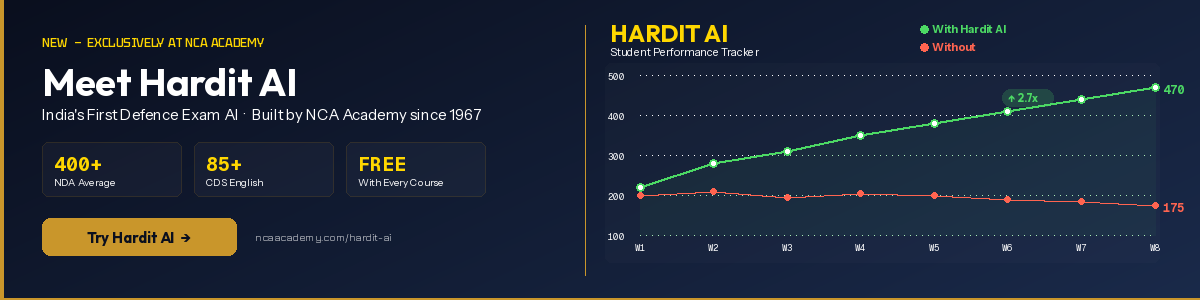


Practise on NCA’s NCLEX-RN CAT Simulator
NCA Academy’s NCLEX-RN CAT simulator uses the same Computer Adaptive Testing approach as the real exam — 10,000+ questions with detailed rationales for every option, adaptive difficulty, and a real-time readiness prediction. Start with the free NCLEX practice questions (no sign-up required), or work through the NCLEX question bank by topic. Nurses preparing for OSCE can also use the OSCE prep module.
NCA Academy Courses 2026–27
Live Batches | Live Campus: Mohali | NDA · SSB · CDS · AFCAT · CAPF · ACC · TA
NDA Batches
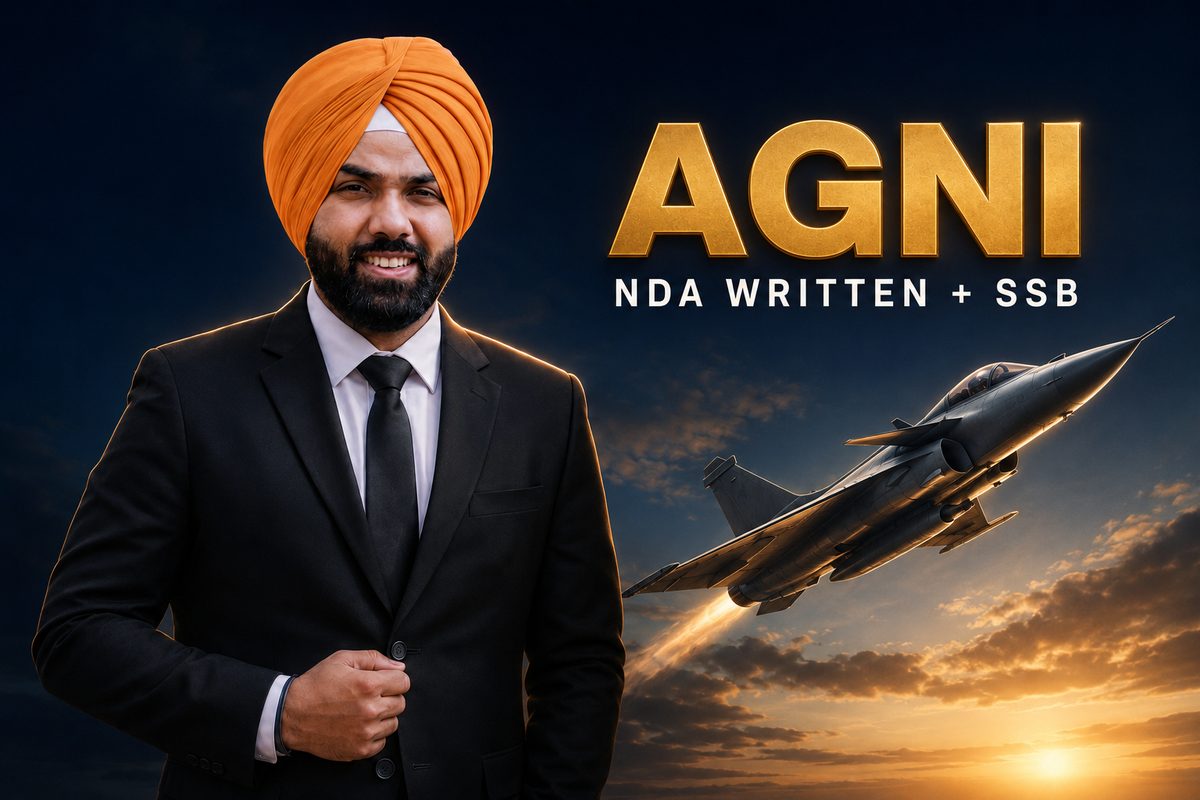
- Complete NDA Written Syllabus — Maths + GAT
- SSB Interview Coaching Included
- Full Mock Test Series + All India Rank
- Daily Doubt Sessions · Expert Faculty
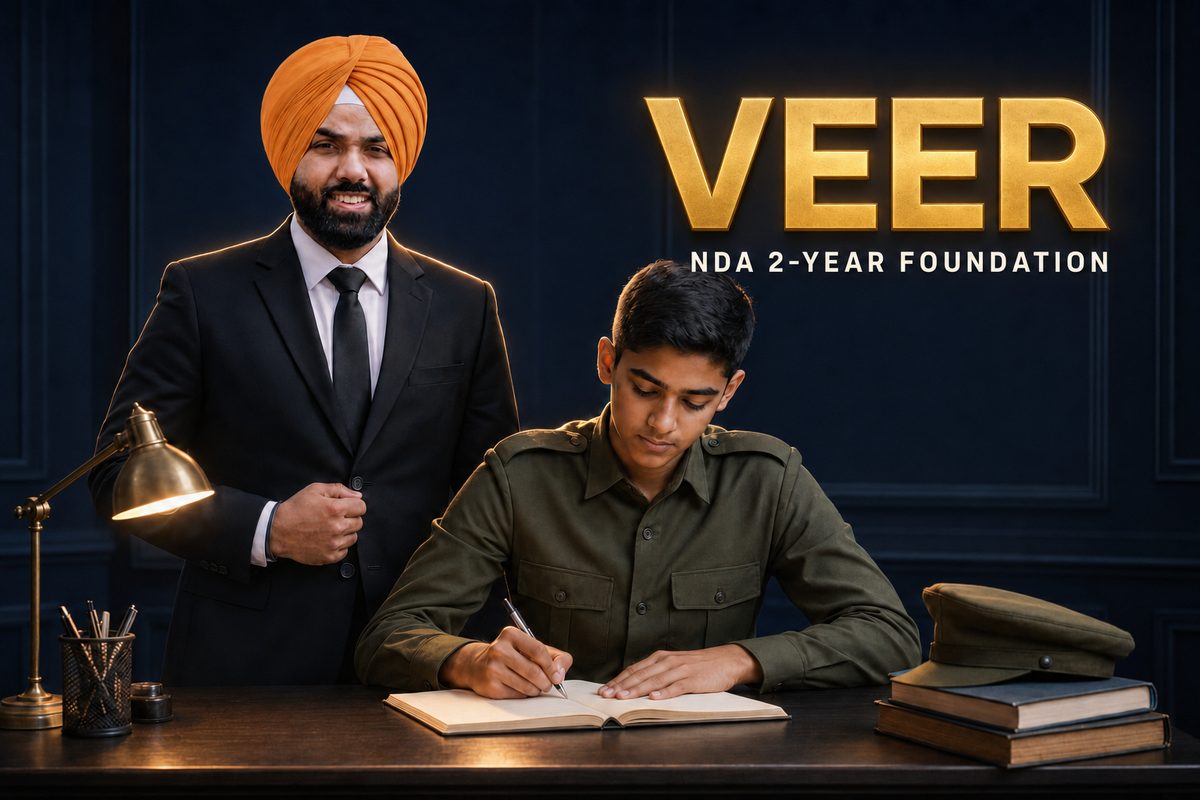
- Board Exams + NDA Prep Together
- Physics · Chem · Maths · English + GK
- SSB Personality Development from Day 1
- Maximum Head-Start Advantage
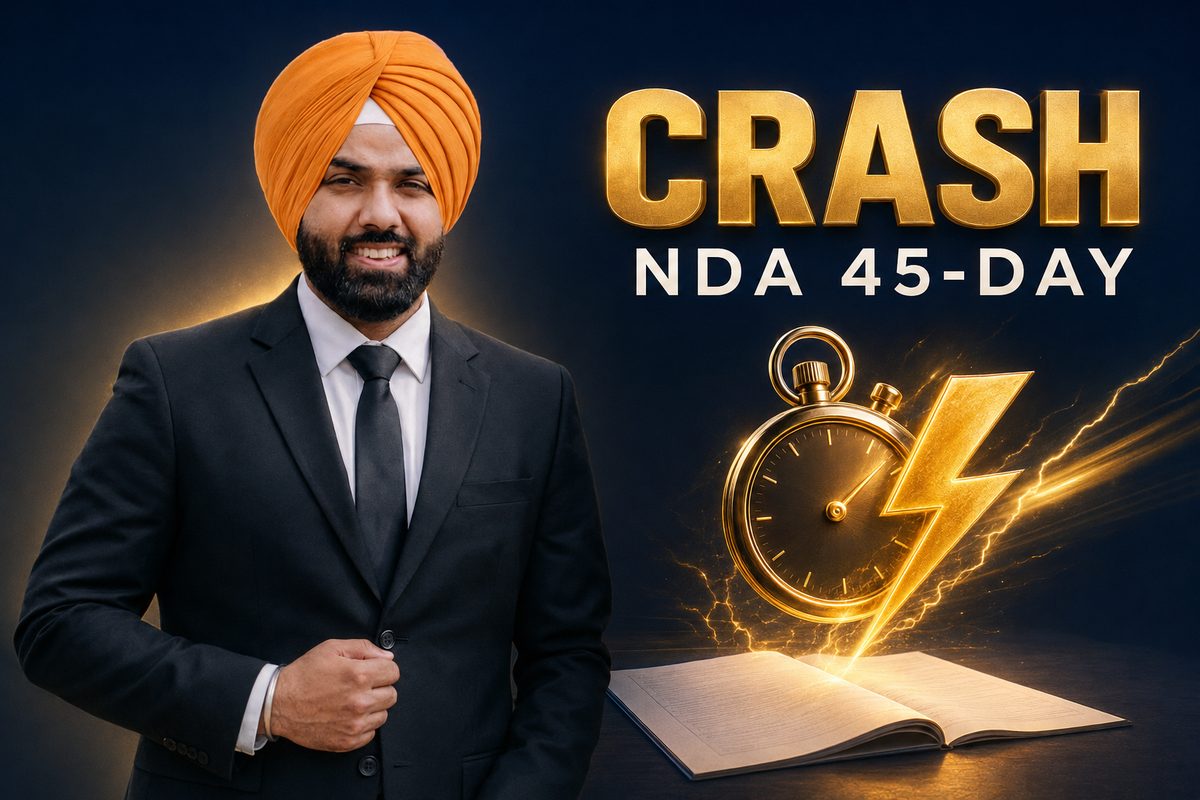
- Fast-track revision — Maths + GAT
- 30 full-length mock tests
- Exam strategy & time-management sessions
- Live 10 AM–2 PM · recorded backup

- Daily live Maths + GAT classes
- All PYQs solved (2015+)
- Weekly full-length mocks
- Daily current affairs
- SSB Interview prep included
- Hardit AI mentor included
SSB Interview Batches
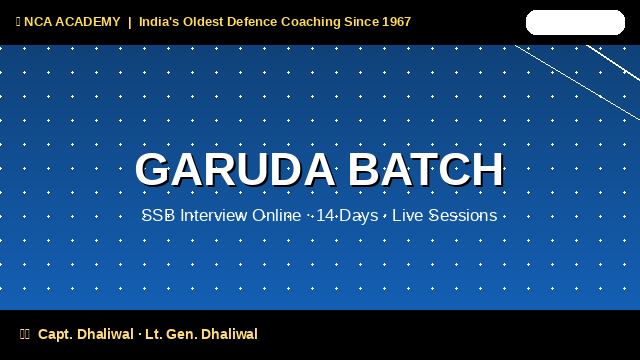
- Maximum 20 Students — Full Personal Attention
- TAT · WAT · SRT · SDT Psychology Tests
- Real GTO Outdoor Tasks Practice
- Personal Interview + Conference Mock
- Full 14-Day SSB Course — Live Online from Anywhere
- TAT · WAT · SRT · SDT Psychology Tests
- GTO Task Theory + Personal Interview Mocks
- Conference Mock + Individual Feedback
- Pay only ₹1,000 to confirm your seat
- Choose your batch start date at checkout
- Adjusted against your full course fee
- Online (₹7,000) or Mohali campus (₹12,000)
CDS 2027 Batch — IMA · OTA · AFA · INA Coaching

- Maths · English · GK — All Three Papers
- IMA / Naval / Air Force Track
- Cut-off Strategy + Daily Mocks
- SSB Interview Module Included
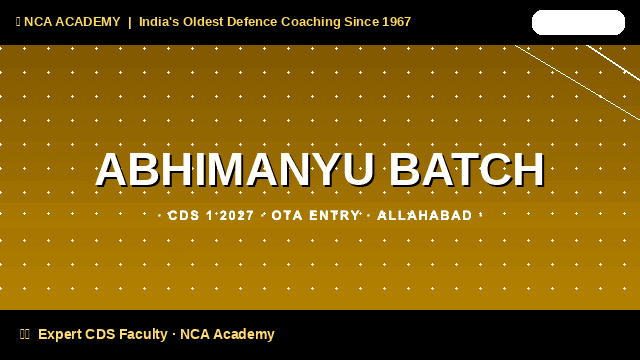
- English + GK Focus (OTA Pattern)
- Women Entry Track Supported
- SSB Interview Module Included
- All India Rank Mock Tests
AFCAT Batches

- Verbal · Numerical · Reasoning
- Military Aptitude Drills
- AFSB Interview Preparation
- Full Mock Test Series + All India Rank

- Verbal · Numerical · Reasoning
- Military Aptitude Drills
- AFSB Interview Preparation
- Full Mock Test Series + All India Rank
CAPF Course 2027 — AC Paper 1 & Paper 2
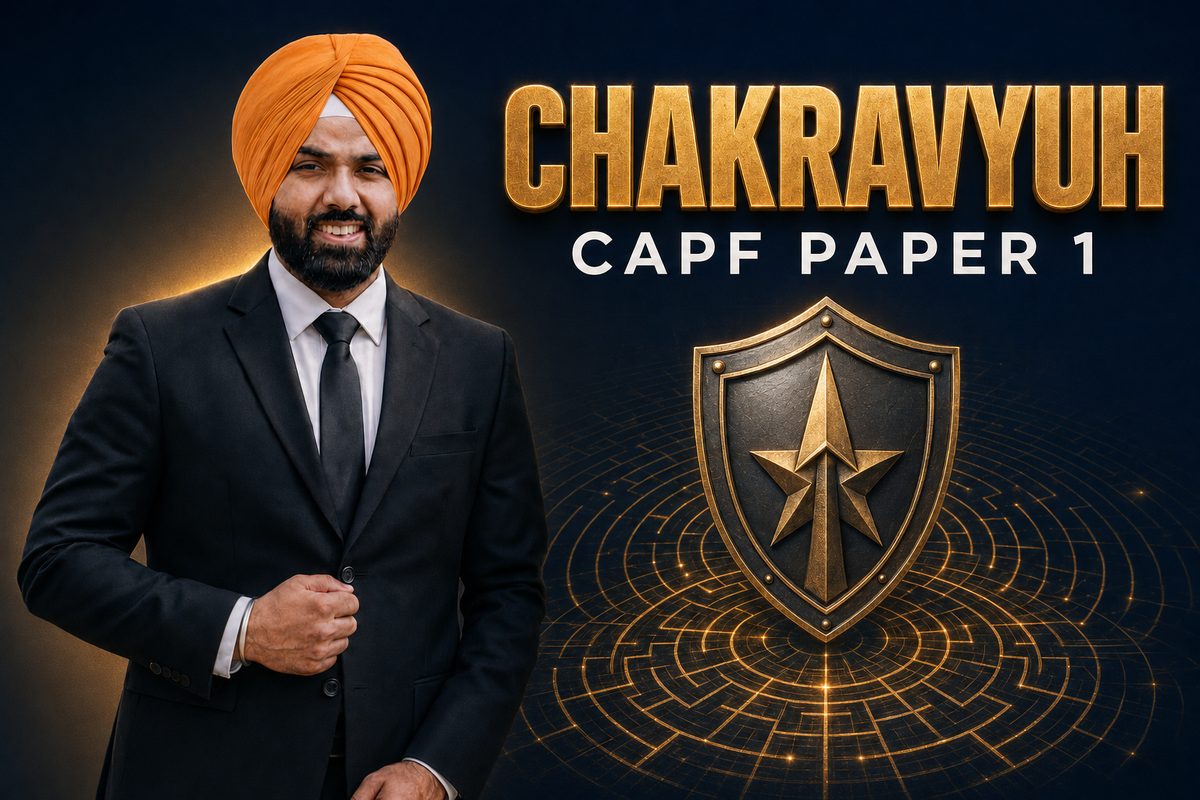
- General Ability + Intelligence — Full Syllabus
- UPSC-Pattern Mock Tests + Cut-off Analysis
- Reasoning Drills + Daily Practice Sets
- Paper 2: GS, Essay & Comprehension + Physical Standards

- Essay Writing with Evaluated Feedback
- Precis + Comprehension Drills
- UPSC-Aligned Descriptive Answer Writing
- Only Dedicated Paper 2 Batch in Chandigarh
ACC & Territorial Army
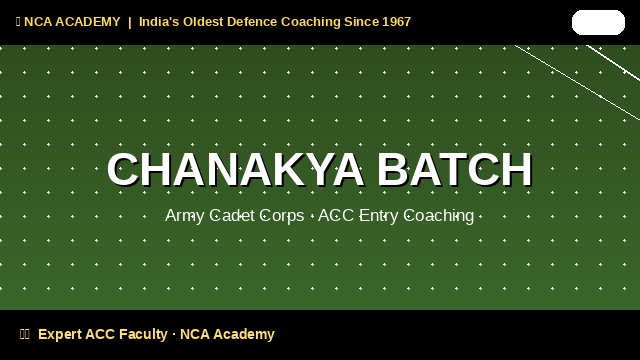
- Exclusively for Serving Army Soldiers
- Maths · English · GK + Service Knowledge
- SSB Interview Module Included
- Evening Timings — Soldier-Friendly
- Part-Time Army Commission Route
- Maths · English · GK · Reasoning
- PIB Personal Interview Board Prep
- Weekend-Friendly Batch Schedule
- 400+ Live Classes — 2 Hrs/Day, All Recorded
- Syllabus Covered 3 Times Over
- ⭐ Hardit AI Performance Tracker — Included Free
- Full SSB & PIB Interview Support
Combo Batches
- Complete NDA Written Syllabus
- Full SSB Interview Coaching
- Integrated Written + SSB Schedule
- Saves ₹15,000 vs Buying Separately
- CDS English + GK + Maths Covered
- Full SSB Coaching — All Tasks + PI
- IMA, AFA, INA Track Together
- Saves ₹10,000 vs Separate Batches
- AFCAT Written — Verbal · Numerical · Reasoning
- AFSB Interview + Pilot Aptitude Prep
- Military Aptitude Special Module
- Saves ₹10,000 vs Separate Batches
Nursing Courses
- Complete MNS Written Syllabus
- Anatomy · Physiology · Nursing Science
- English · GK · Reasoning
- Personal Interview Preparation
- Complete NORCET Syllabus Coverage
- Subject-wise Practice Tests
- AIIMS-specific Mock Exams
- Expert Nursing Faculty
- Reading · Writing · Listening · Speaking
- Healthcare English Specialisation
- NMC / AHPRA / NCNZ Registration Ready
- Mock Tests + Feedback

- Complete NCLEX-RN Syllabus
- Next Generation NCLEX (NGN) Format
- 4,000+ Practice Questions
- CAT Exam Strategy + Mock Tests
- NMC OSCE Stations Practice
- Care Planning · Communication Skills
- Medicines Management + Escalation
- UK NHS Clinical Scenarios
- NMC CBT Syllabus — All 4 Domains
- Professional Values + Communication
- Nursing Practice + Decision Making
- 1,500+ Practice MCQs
- AHPRA OSCE Stations Preparation
- Clinical Assessment Scenarios
- Australian Healthcare System Knowledge
- Mock OSCE with Feedback
- NCNZ CBT Competencies Coverage
- NZ Nursing Standards + Ethics
- Clinical Decision Making
- Full Mock CBT Tests
- NZ OSCE Clinical Stations
- Patient Assessment · Safety Checks
- Documentation + Handover Skills
- NZ Healthcare Context Practice
- DHA Nursing Exam Syllabus
- Clinical Nursing + Pharmacology
- UAE Healthcare Regulations
- MCQ Bank + Mock Tests
🎯 Live Test Series — All India Rank
Real-exam-pattern mocks · Detailed solutions · Performance analytics · Attempt anytime
Meet Your Mentors & Faculty
Serving aspirants since 1967 — defence veterans, SSB assessors and expert written-exam faculty under one roof.
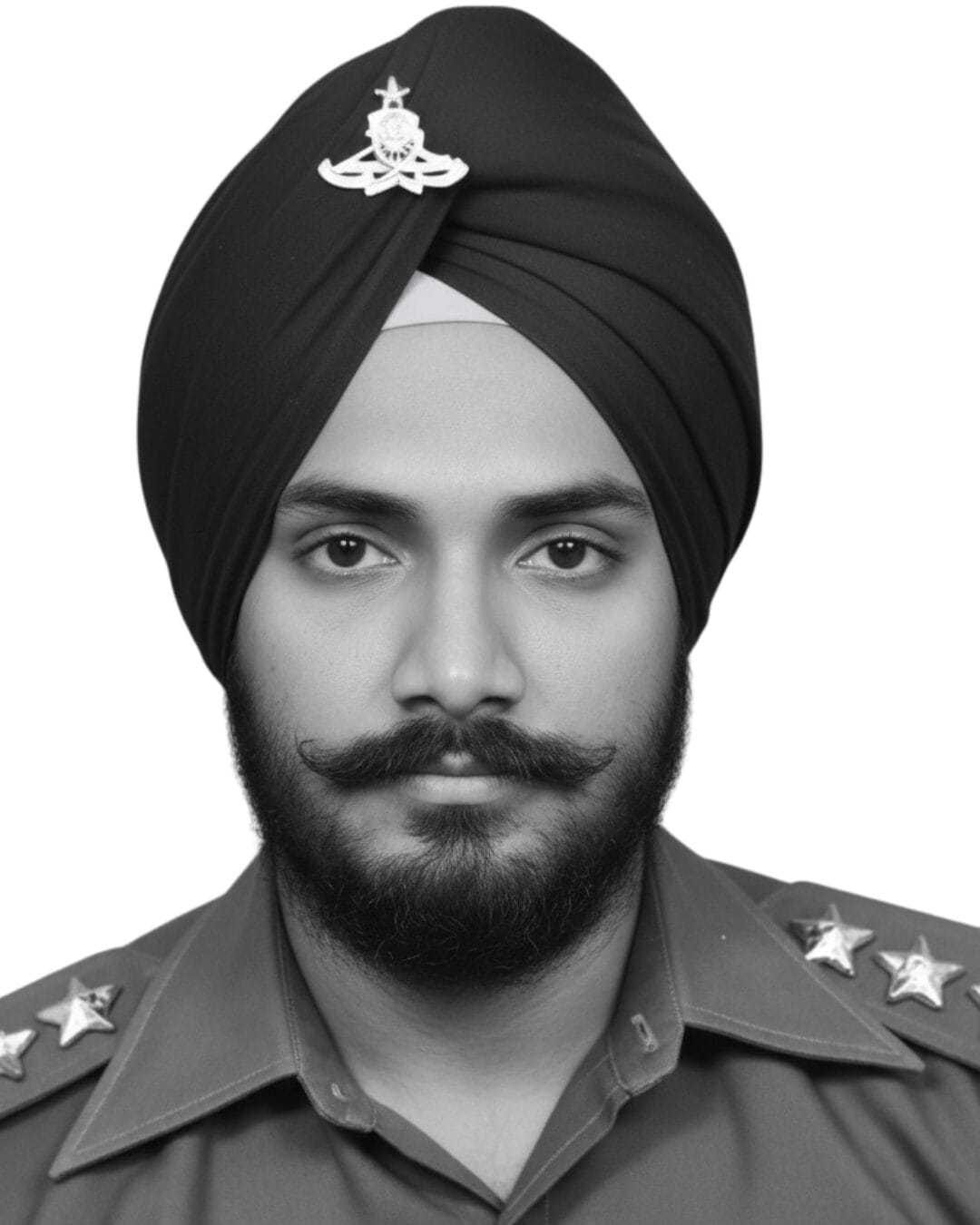
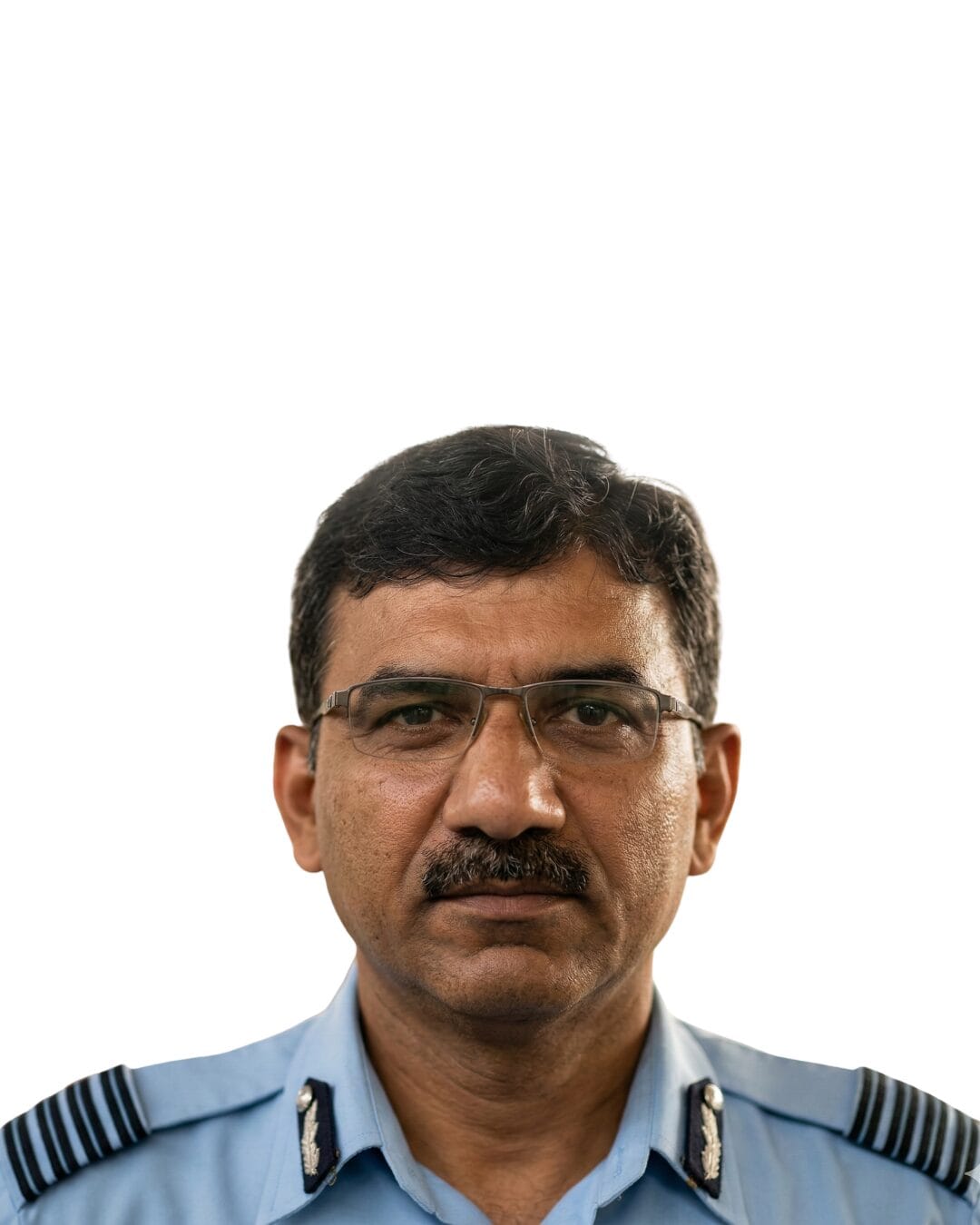
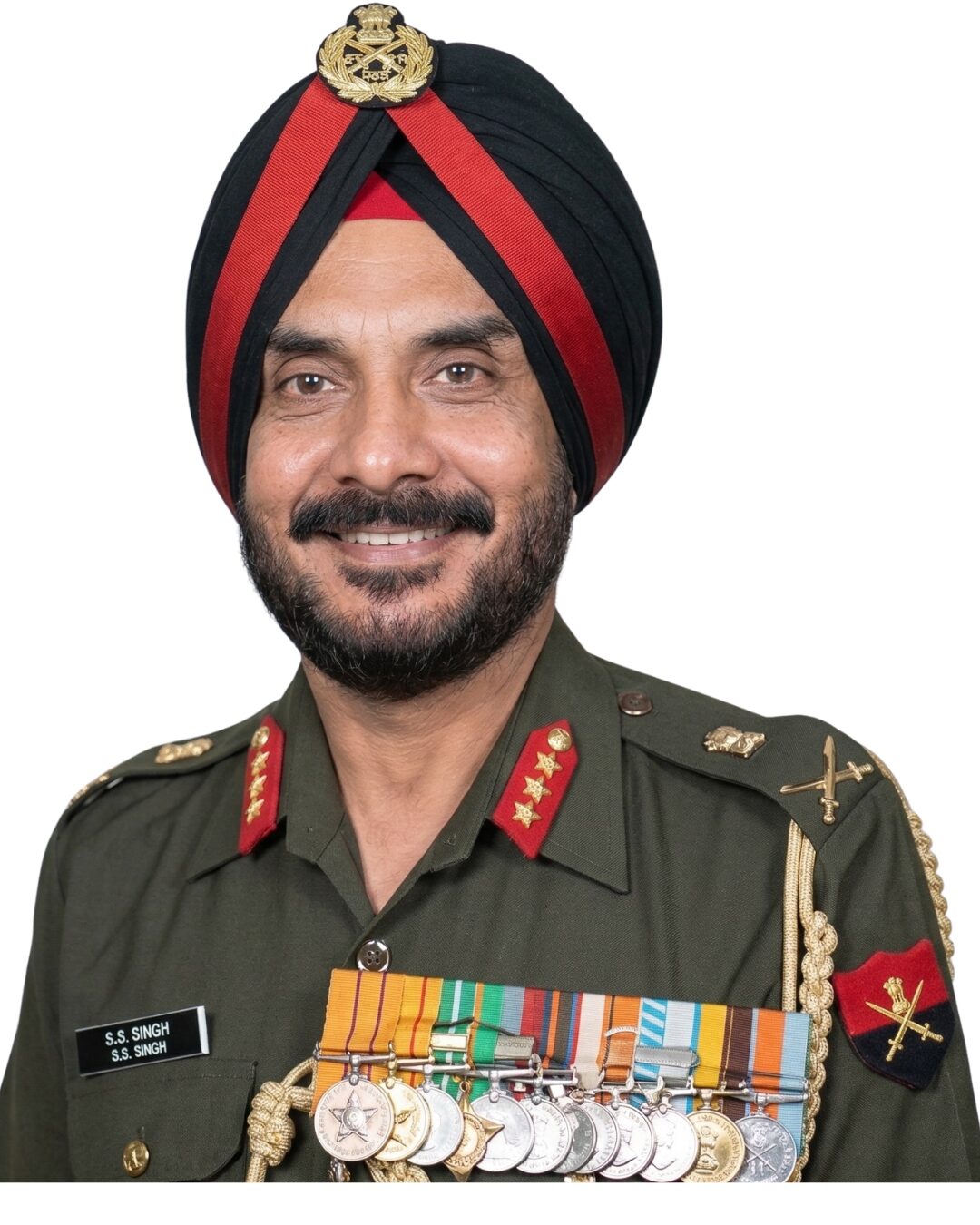
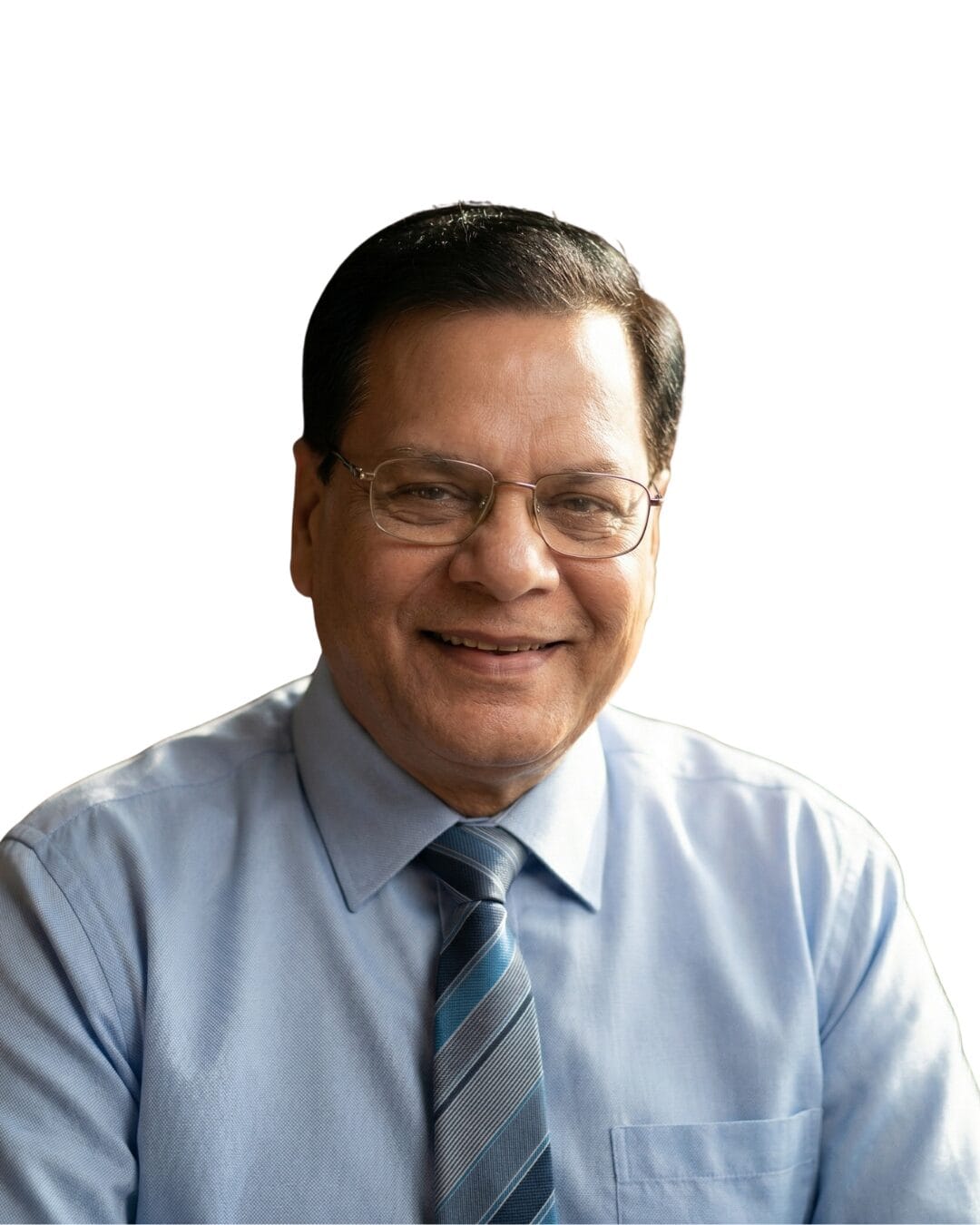






Covering NDA · CDS · CAPF · AFCAT · TA · ACC Written Exams
Choose your plan
Pick a learning plan, then complete enrolment on the batch page.
What this batch includes
Passport photograph
Signature
Questions? Call +91-9501070051 · Limited seats per batch
📄 Written the exam on 13 September 2026?
Answer keys for all sets (A, B, C, D), marking scheme, score calculator and expected cut-off — updated within hours of each paper.