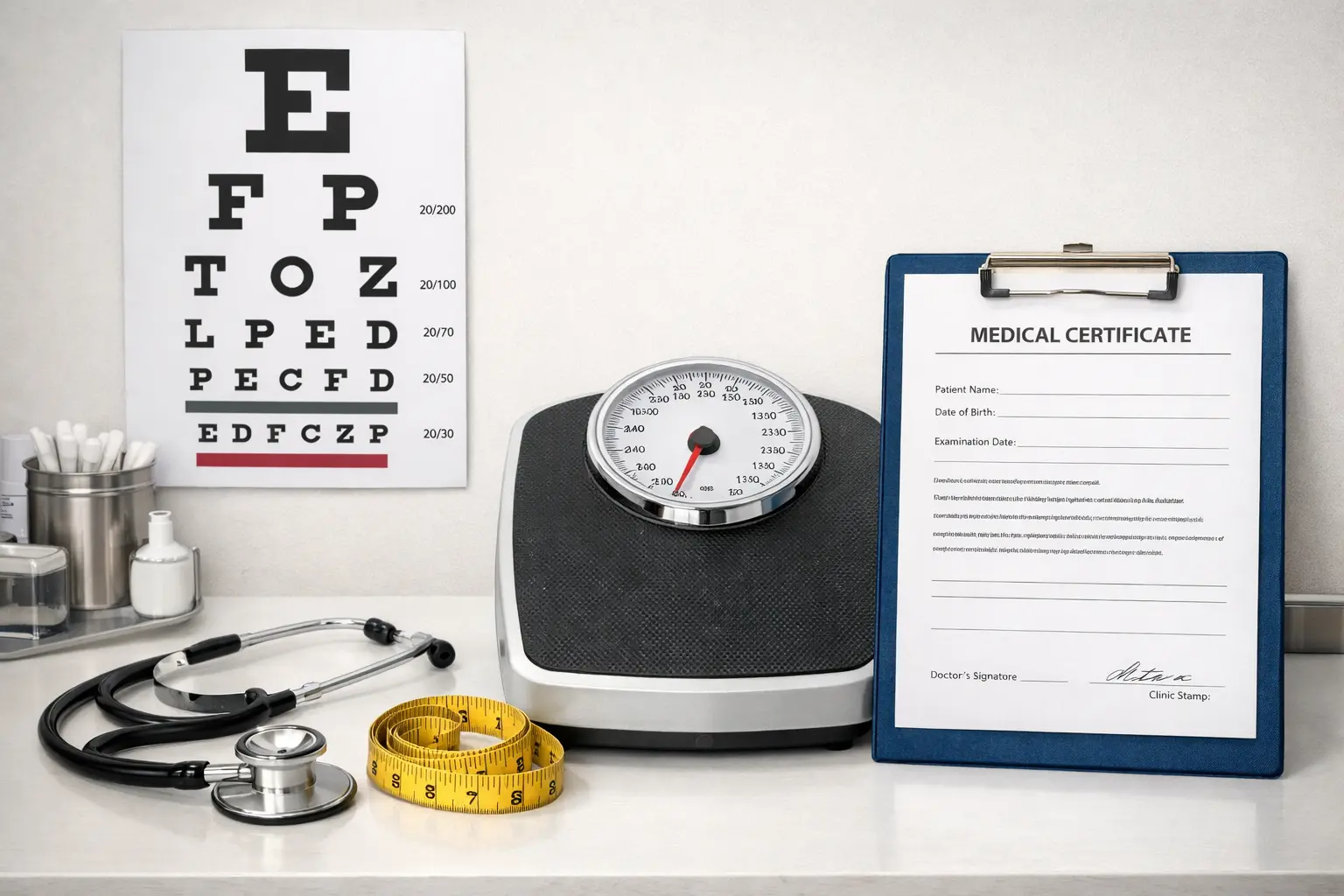
CDS physical fitness test 2026 — even after clearing the CDS SSB interview, candidates must pass the medical and physical fitness test to receive their final merit. This guide covers CDS physical fitness test 2026 standards including height, weight, chest measurements, and vision requirements for Army, Navy, and Air Force entries. Expert tips by NCA Academy Chandigarh.
Table of Contents — CDS Physical Fitness Test 2026
Many CDS aspirants focus entirely on the written exam and SSB interview preparation, only to face unexpected challenges during the medical examination. The physical fitness test and medical standards for CDS are non-negotiable — even a candidate recommended by the SSB can be rejected if they fail to meet the prescribed medical criteria.
This guide covers everything about the CDS physical fitness requirements, medical test procedures, common rejection reasons, and how to prepare your body alongside your academic preparation. Whether you are targeting IMA, INA, AFA, or OTA through CDS, understanding these standards early gives you time to address any issues.
For the complete exam overview, refer to our Complete Guide to CDS 2026, and for eligibility details, check our CDS Eligibility 2026 page.
When Does the Medical Examination Happen?
The CDS selection process follows this sequence:
- Written Examination (conducted by UPSC)
- SSB Interview (5-day assessment)
- Medical Examination (for SSB-recommended candidates only)
- Final Merit List (based on written + SSB marks, subject to medical fitness)
The medical examination is conducted at military hospitals and takes 3–5 days. Candidates are examined by a board of military doctors who assess fitness based on standards prescribed in the Indian Army Medical Standards (IAMS).
Physical Standards for CDS: Academy-Wise Requirements
Height Requirements
| Academy | Minimum Height (Male) | Minimum Height (Female – OTA only) |
|---|---|---|
| IMA (Army) | 157.5 cm | N/A |
| INA (Navy) | 157 cm | N/A |
| AFA (Air Force) | 162.5 cm | N/A |
| OTA (Army – SSC) | 157.5 cm | 152 cm |
Note: Candidates from certain regions like Gorkhas, Garhwalis, Kumaonis, and candidates from North-Eastern states, Ladakh, and tribal areas may get height relaxations of 2–5 cm depending on the category.
Weight Standards
Weight must be proportional to height and age as per the Body Mass Index (BMI) chart used by the military. There is no fixed minimum or maximum weight — it depends on your height. Generally:
- BMI range: 18–25 is considered ideal
- Underweight candidates (BMI below 18) may be given temporary rejection with a chance to gain weight and re-appear
- Overweight candidates (BMI above 25) face similar temporary rejection
Chest Measurement (Male Candidates)
| Parameter | Requirement |
|---|---|
| Minimum Chest (unexpanded) | 77 cm |
| Minimum Expansion | 5 cm |
| Expanded Chest | 82 cm minimum |
Chest expansion reflects lung capacity and overall respiratory health. Regular cardiovascular exercise and deep breathing exercises improve chest expansion significantly.
Vision Standards for CDS
Vision requirements vary by academy and are among the most common reasons for medical rejection:
For IMA and OTA (Army)
| Parameter | Requirement |
|---|---|
| Distant Vision (better eye) | 6/6 without glasses |
| Distant Vision (worse eye) | 6/18 without glasses, correctable to 6/6 |
| Near Vision | N6 (better eye), N9 (worse eye) |
| Colour Vision | CP-III (must pass Ishihara plates) |
| Myopia Limit | Up to -3.5D in any meridian |
| Hypermetropia Limit | Up to +3.5D in any meridian |
For INA (Navy)
| Parameter | Requirement |
|---|---|
| Distant Vision (each eye) | 6/6 without glasses (for Executive Branch) |
| Colour Vision | CP-I (stricter — must pass all colour vision tests) |
| Myopia/Hypermetropia | Not acceptable for Executive Branch |
For AFA (Air Force)
| Parameter | Requirement |
|---|---|
| Distant Vision (each eye) | 6/6 without glasses (for Pilot entry) |
| Colour Vision | CP-I (strictest standard) |
| Night Vision | Must be normal |
| Refractive Error | Within ±0.75D for pilot entry |
Important: Candidates who have undergone LASIK or PRK surgery are now accepted for IMA and OTA entries (after 1 year post-surgery), but the Air Force Flying Branch still does not accept LASIK-corrected vision for pilot roles. Navy Executive Branch also has restrictions on corrective surgery.
Hearing Standards
Candidates must be able to hear a forced whisper from a distance of 610 cm (20 feet) with each ear separately. Any hearing aid usage leads to rejection. Conditions like chronic ear infections, perforated eardrum, or significant hearing loss in any frequency are grounds for rejection.
Dental Standards
A minimum of 14 dental points is required, with at least 4 molars in occlusion. Candidates with extensive dental caries, missing teeth without replacement, or severe malocclusion may face rejection. Get any dental issues fixed well before the medical examination.
Common Medical Conditions That Cause Rejection
Based on data from military medical boards, here are the conditions that most frequently lead to CDS medical rejection:
1. Vision Problems
The single biggest cause of rejection. Myopia beyond the prescribed limits, colour blindness, squint, and lazy eye are common issues. Get a comprehensive eye examination done 6 months before the expected medical date.
2. Flat Feet (Pes Planus)
Military service requires extensive marching and physical activity. Flat feet without a proper arch can cause problems during training. Grade I flat feet are usually acceptable, but Grade II and above may lead to rejection. Arch-strengthening exercises can help mild cases.
3. Varicocele and Hydrocele
These conditions in male candidates are checked during the medical examination. Grade I varicocele is generally acceptable, but higher grades may require surgical correction before re-appearing.
4. Skin Conditions
Chronic conditions like severe eczema, psoriasis, or vitiligo covering significant body area can lead to rejection. Mild or treated conditions may be acceptable.
5. Overweight / Underweight
Being outside the acceptable BMI range is a temporary ground for rejection. You can be given a chance to re-appear after achieving the required weight.
6. Deviated Nasal Septum (DNS)
If the deviation is significant enough to cause breathing issues, it may lead to rejection. Minor DNS without functional impairment is usually accepted.
7. Kidney Stones
Active kidney stones or a history of recurrent stones may cause rejection. A single episode that has been completely treated may be acceptable.
How to Prepare Physically for CDS Medical
Start preparing your body at least 6 months before the expected medical date:
Daily Exercise Routine
- Running: Start with 2 km and gradually increase to 5 km. This builds cardiovascular fitness and helps maintain weight.
- Push-ups and pull-ups: 3 sets of 15–20 push-ups and 3 sets of 8–10 pull-ups daily build upper body strength needed for SSB outdoor tasks.
- Squats and lunges: For lower body strength and stamina.
- Deep breathing exercises: Practice pranayama or deep breathing daily to improve lung capacity and chest expansion.
- Stretching: Regular stretching improves flexibility and reduces injury risk during GTO tasks.
Diet and Nutrition
- Maintain a balanced diet with adequate protein (eggs, chicken, lentils, paneer) for muscle building.
- Avoid junk food and excessive sugar — they contribute to weight gain and poor skin health.
- Stay hydrated with at least 3–4 litres of water daily.
- Include green vegetables and fruits for vitamins and minerals that support eye health and overall immunity.
Medical Check-ups to Do Early
- Comprehensive eye examination — including visual acuity, colour vision, and refractive error measurement
- Blood tests — complete blood count, blood sugar, liver and kidney function
- Urine test — to check for sugar, protein, or infections
- ECG — to ensure normal heart function
- Dental check-up — fix cavities, get missing teeth replaced, clean tartar
- ENT check-up — hearing test and nasal examination
Identifying issues early gives you time to get corrective treatment before the actual medical board.
What Happens If You Are Declared Temporarily Unfit?
If the medical board finds a condition that is correctable, you may be declared “Temporarily Unfit” instead of permanently rejected. You are given a specific period (usually 6–12 months) to get the condition treated and then re-appear before the medical board. Common conditions for temporary rejection include:
- Underweight or overweight (correctable through diet and exercise)
- Dental issues (correctable through dental treatment)
- Minor surgical conditions like varicocele (correctable through surgery)
- Post-LASIK waiting period (must wait 12 months after surgery)
If you are declared temporarily unfit, do not lose hope. Many candidates successfully clear the medical on their second attempt after addressing the identified issues.
Appeal Process for Medical Rejection
If you believe the medical board’s decision was incorrect, you have the right to appeal for a Review Medical Board (RMB). The appeal must be submitted within a specified period, and a different set of doctors will re-examine you. The RMB’s decision is generally final.
Frequently Asked Questions
Can I join CDS with spectacles?
For IMA and OTA, candidates with vision correctable to 6/6 within the prescribed limits are accepted. For AFA (pilot entry) and INA (executive branch), uncorrected 6/6 vision is required.
Is LASIK surgery accepted for CDS?
LASIK is accepted for IMA and OTA entries after a minimum of 12 months post-surgery with stable vision. It is not accepted for Air Force pilot entry. Check with the specific academy requirements.
What is the minimum height for CDS female candidates?
Female candidates applying for OTA through CDS must have a minimum height of 152 cm. Regional relaxations may apply.
Can flat feet disqualify me from CDS?
Grade I flat feet (mild, asymptomatic) are usually acceptable. Grade II and above may lead to rejection. Arch-strengthening exercises like towel scrunches and calf raises can help improve mild flat feet.
How long does the CDS medical examination take?
The medical examination takes 3–5 days at a military hospital. All tests including blood work, X-rays, vision, hearing, dental, and specialist consultations are completed during this period.
What is the CDS salary after clearing all stages?
After clearing the written exam, SSB, and medical, commissioned officers start at ₹56,100 basic pay. Read our CDS Salary 2026 guide for complete details.
Physical fitness is not just about clearing the medical — it is a lifestyle that every defence aspirant must adopt. NCA Academy’s CDS coaching programmes include physical fitness guidance alongside academic preparation, helping aspirants in Chandigarh and across India through our online CDS coaching develop the complete officer profile that the selection board looks for.
Related CDS Articles
- CDS Salary 2026: Rank-Wise Pay Scale & Career Growth
- CDS 2 2026 Notification: Exam Date & Vacancies
- Best Books for CDS Exam 2026
- CDS SSB Interview 2026: Complete Preparation Guide
Related CDS Articles
- CDS Salary 2026: Rank-Wise Pay Scale & Career Growth
- CDS 2 2026 Notification: Exam Date & Vacancies
- Best Books for CDS Exam 2026
- CDS SSB Interview 2026: Complete Preparation Guide
🎯 SSB Interview Awaits After Medical — Be Ready
🏆 Crack CDS with Expert Coaching — NCA Academy Since 1967
India’s oldest and most trusted defence coaching institute offers comprehensive CDS preparation — from written exam strategy to SSB interview training.
- Online CDS Coaching 2026 — Live classes & recorded lectures from top faculty, join from anywhere in India
- CDS Coaching in Chandigarh — India’s #1 defence hub with proven results, personal mentoring & mock SSBs
- CDS Coaching in India — Find the best CDS coaching institute near you with NCA Academy’s pan-India network
Official Resources for CDS Physical Fitness Test 2026
Written by
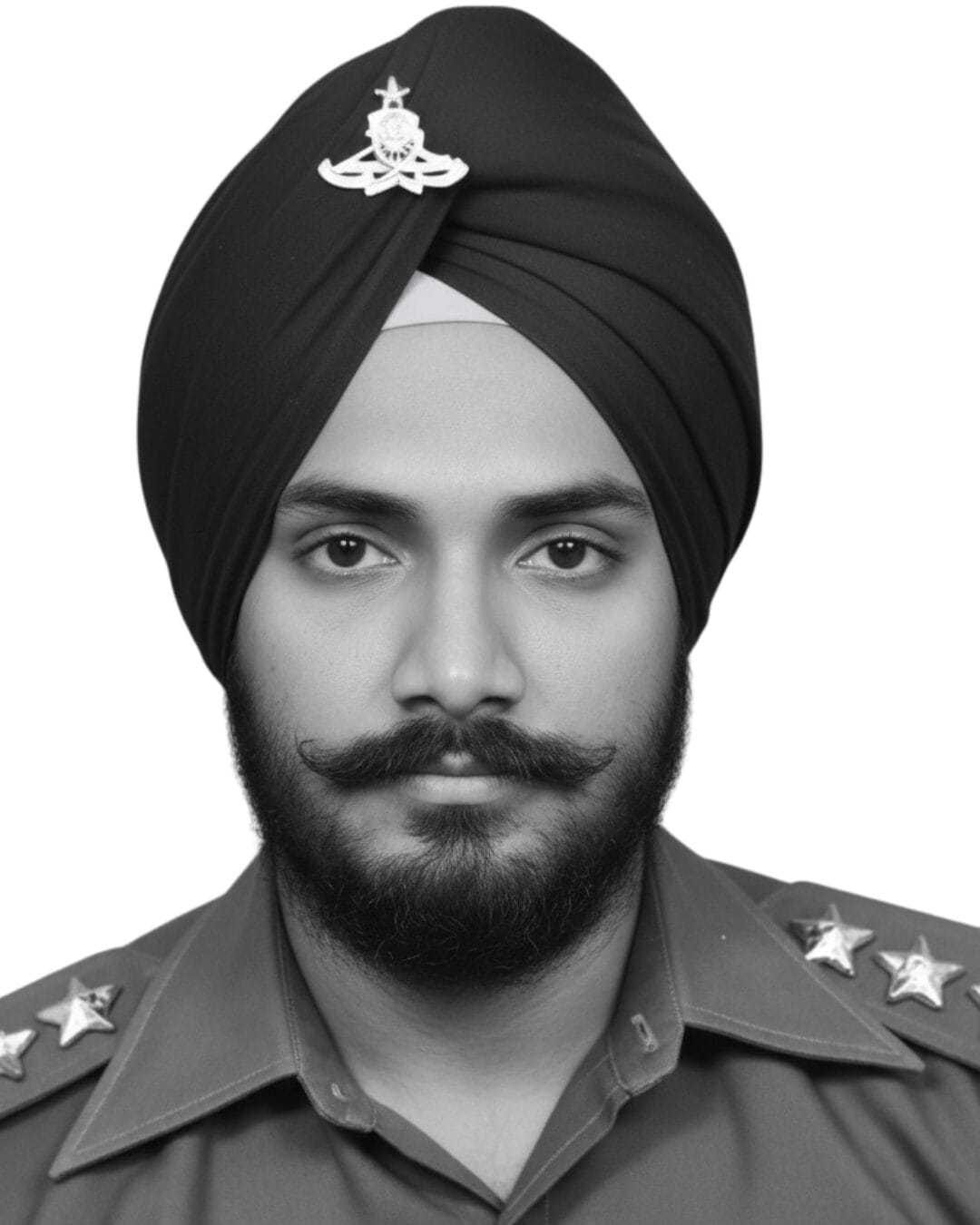
Capt. Dhaliwal · Director, New Careers Academy
Ex-Indian Army officer and SSB mentor at NCA Academy, Chandigarh (est. 1967), coaching NDA, CDS, AFCAT and SSB aspirants since the 1980s. About the author →
Reviewed by Hartaj Dhaliwal — SSB Strategist, NCA · third-generation officer · recommended by the SSB three times.